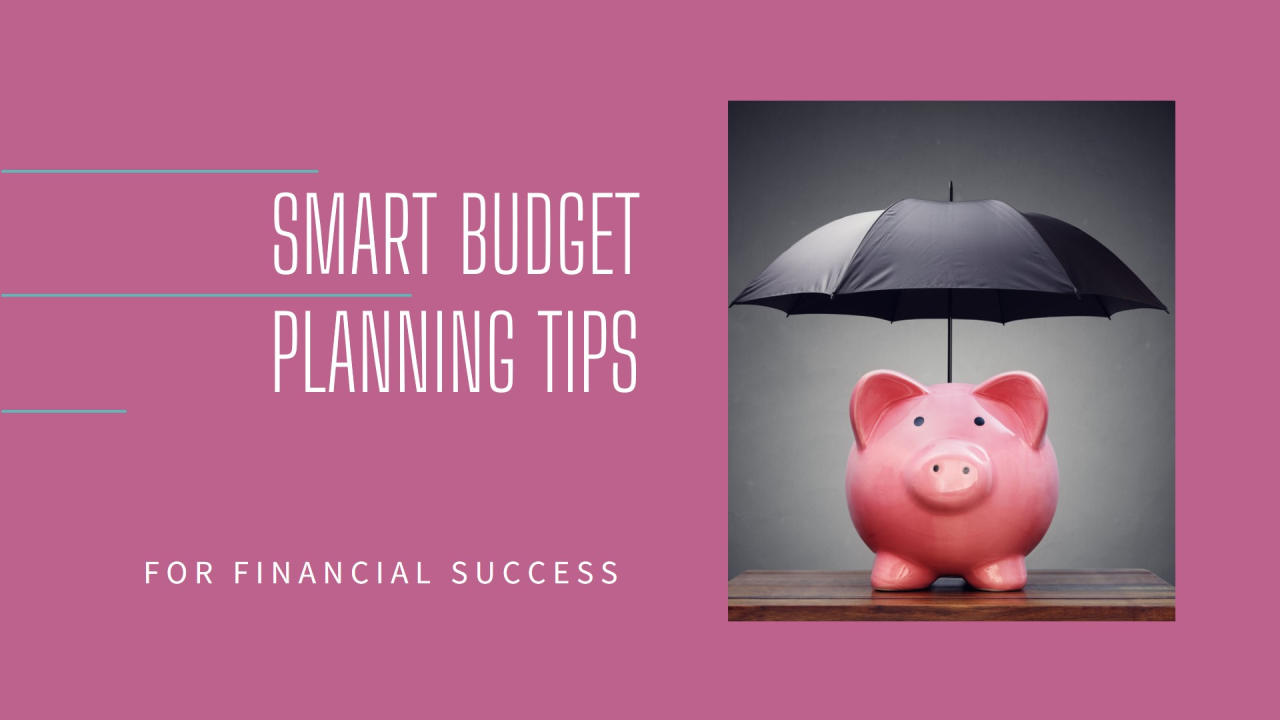
Budgeting often feels like a tedious chore, but in reality, it’s the cornerstone of financial freedom. Many people shy away from it, imagining spreadsheets full of numbers and complicated formulas. But budgeting doesn’t have to be intimidating—or boring. With the right approach, it can be empowering, flexible, and even enjoyable. Whether you’re trying to save for a dream vacation, pay off debt, or simply gain control over your finances, practical guides to smarter budgeting can transform your financial life.
Why Budgeting Matters More Than Ever
In today’s fast-paced world, unexpected expenses can pop up at any moment—a sudden car repair, a medical bill, or even just a month where bills feel heavier than usual. A solid budgeting plan acts as a safety net. Personally, I remember the anxiety I felt when an unexpected vet bill came up for my dog; having a clear budget allowed me to cover it without derailing my entire month. That experience showed me the real power of proactive financial planning.
Budgeting isn’t just about tracking expenses; it’s about understanding patterns, making intentional choices, and aligning spending with your values. By knowing exactly where your money goes, you can reduce financial stress and make room for what truly matters.
Simple Steps to Effective Budget Planning
Creating a sustainable budget doesn’t require a finance degree. Here’s a natural, step-by-step approach that anyone can follow:
-
Track Your Income and Expenses
Start by listing all sources of income and fixed expenses, like rent, utilities, and loan payments. Then, note variable costs, such as groceries, entertainment, and transportation. Over time, you’ll notice patterns that highlight areas to adjust. -
Categorize and Prioritize
Break down spending into meaningful categories: necessities, savings, and discretionary items. Prioritizing essential costs first ensures you’re covered before spending on non-essentials. -
Set Clear Goals
Short-term goals might include building an emergency fund or paying off a credit card, while long-term goals could be saving for a house or retirement. Concrete targets give your budget direction and purpose. -
Use Flexible Strategies
A rigid plan can feel restrictive and may lead to burnout. Allow some wiggle room to accommodate unexpected expenses or occasional indulgences. The goal is sustainability, not punishment.
Transforming Finances with Mindful Budgeting
Consider Sarah, a marketing professional juggling student loans and living in an expensive city. She felt like her paycheck disappeared the moment it arrived. By mapping out her income and expenses, she realized she was overspending on dining out and subscription services. With small adjustments—like meal prepping and consolidating subscriptions—Sarah freed up an extra $400 a month. She redirected that money to her student loans and a savings account, and within six months, she felt less stressed and more in control. This scenario shows that mindful budgeting is not about deprivation but about smart, intentional choices.
Comparison Table: Approaches to Budgeting
| Budgeting Style | Best For | Pros | Cons |
|---|---|---|---|
| Zero-Based Budgeting | People who want strict control | Every dollar has a purpose | Time-consuming to maintain |
| Envelope System | Cash-focused spenders | Simple, tangible method | Less flexible for digital payments |
| 50/30/20 Rule | Beginners looking for balance | Easy to understand and implement | May oversimplify complex finances |
| Automated Tracking | Tech-savvy, busy professionals | Saves time, real-time updates | Requires trust in apps or software |
This table demonstrates that there’s no one-size-fits-all approach. The key is finding a strategy that fits your lifestyle while keeping goals achievable.
Tips for Long-Term Budget Success
-
Automate Where Possible: Automate savings and bill payments to avoid late fees and missed contributions.
-
Review and Adjust Monthly: Life changes, and so should your budget. A monthly check-in keeps things realistic.
-
Build a Buffer: Even a small emergency fund creates peace of mind and prevents debt accumulation.
-
Celebrate Small Wins: Achieving small goals keeps motivation high and reinforces positive habits.
A unique advantage of using practical guides for budgeting is how they integrate learning into real life. Instead of treating it as a one-time setup, you gradually build financial literacy, confidence, and independence. Over time, budgeting stops being a chore and becomes a tool that works for you.
Avoiding Common Pitfalls
Many people fail at budgeting due to overcomplication or unrealistic expectations. Avoid the trap of trying to micromanage every dollar. It’s far better to have a plan that is realistic and sustainable than one that looks perfect on paper but is impossible to follow. Another common mistake is neglecting to account for irregular or seasonal expenses—think gifts, travel, or car maintenance. Including these in your plan prevents nasty surprises.
Read More: HSSGamepad Connectivity Issues: Fix & Prevent Problems
Conclusion
Budgeting doesn’t have to feel restrictive. With practical guidance and a thoughtful approach, it becomes a tool for empowerment. By tracking spending, prioritizing needs, and building flexibility into your plan, you can reduce financial stress, reach your goals faster, and gain a stronger sense of control. Remember, the best budget is one that fits your life, not the other way around.
FAQs
Q: How often should I review my budget?
A: Ideally, review it monthly. Life changes, and small adjustments keep your plan realistic and effective.
Q: Can budgeting help me save for big goals like a house?
A: Absolutely. Clear tracking and prioritization allow you to allocate funds toward both short- and long-term objectives efficiently.
Q: Do I need special software to budget successfully?
A: No. Many people succeed with simple spreadsheets, but apps and tools can make tracking faster and more accurate.
Q: What if I fail to stick to my budget?
A: Don’t worry. Budgeting is a learning process. Identify where it went off track, adjust, and try again—consistency over perfection is key.