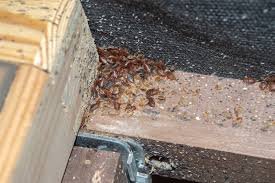
Discovering tiny black spots on your wooden furniture or floors can be alarming. If you’ve noticed small dark stains on your bed frame, nightstands, or hardwood floors, bed bug poop on wood could be the culprit. While bed bugs are often associated with mattresses and bedding, their evidence can appear on any wooden surface they frequent. Understanding how to identify and address this issue is essential for keeping your home pest-free and comfortable.
What Bed Bug Poop Looks Like
Bed bug excrement is typically small, dark brown to black, and often appears as tiny specks or streaks. On wood, these marks may look like ink dots or smudges and are sometimes mistaken for dirt, mold, or regular stains. They are concentrated near areas where bed bugs hide, such as in cracks, crevices, or joints in wooden furniture.
A personal experience I had highlights this clearly: I noticed tiny black specks along the joints of my wooden headboard. Initially, I thought it was dirt from moving furniture, but upon closer inspection, I realized it was bed bug feces. This small discovery saved me from a full-blown infestation that could have spread to my entire bedroom.
How Bed Bug Feces Differs from Other Stains
Identifying bed bug poop on wood can be tricky. Here’s a quick comparison to help distinguish it from other common marks:
| Feature | Bed Bug Poop | Mold or Mildew | Dirt or Food Stains |
|---|---|---|---|
| Color | Dark brown to black | Greenish, gray, or black | Varies: brown, red, or yellow |
| Shape | Small dots or streaks | Irregular patches | Irregular smears or crumbs |
| Texture | Slightly raised, sticky if fresh | Powdery or fuzzy | Dry or greasy |
| Location | Cracks, seams, corners, joints | Damp areas, high humidity | Surface dirt, spills |
| Reaction to Water | Smears when wiped | Spreads or dissolves slightly | Usually dissolves easily |
This table illustrates that bed bug excrement is more concentrated and often follows a trail near their hiding spots, unlike general dirt or mold, which tends to spread randomly.
Signs of Bed Bug Presence Beyond Poop
While spotting bed bug feces is a key indicator, there are additional signs you can watch for:
-
Live Bed Bugs: Small, reddish-brown insects, roughly the size of an apple seed.
-
Shed Skins: Bed bugs molt as they grow; these exoskeletons may appear near infested areas.
-
Bites on Skin: Usually red, itchy welts often appearing in clusters or lines.
-
Musty Odor: In severe infestations, bed bugs release a distinctive sweet, musty smell.
Recognizing these signs early is crucial because bed bugs reproduce rapidly. A single female can lay hundreds of eggs in her lifetime, often hidden in wooden cracks or behind furniture.
Why Bed Bugs Prefer Wood
Wood provides warmth, stability, and numerous hiding spots. The natural crevices, joints, and imperfections in wooden furniture make perfect harborage for bed bugs. Unlike smooth metal or plastic, wood allows bed bugs to attach easily and remain undisturbed. Bed bug poop is frequently found along these hiding spots, particularly on bed frames, nightstands, and wooden floors around sleeping areas.
How to Safely Remove Bed Bug Poop from Wood
Cleaning bed bug excrement on wood requires care to avoid spreading it or causing damage to the surface. Here’s a safe, step-by-step approach:
-
Wear Gloves: Always protect yourself when handling areas with fecal matter.
-
Vacuum First: Use a vacuum with a nozzle attachment to remove loose debris and reduce contamination.
-
Wipe with Mild Cleaner: A solution of warm water and dish soap can remove fresh or dried stains. Avoid harsh chemicals that might damage wood.
-
Disinfect: Lightly apply rubbing alcohol or a wood-safe disinfectant to prevent bacteria or mold growth.
-
Dry Thoroughly: Ensure the wood is completely dry to avoid attracting mold or further pests.
For deep cracks or joints, using a soft brush can help remove fecal matter without scratching the surface. Persistent stains may require light sanding, followed by refinishing.
Preventing Bed Bug Infestations on Wood
Preventing bed bug problems is easier than dealing with them once established. Here are practical tips:
-
Inspect Second-Hand Furniture: Always check wooden furniture for signs of bed bugs before bringing it home.
-
Seal Cracks and Crevices: Use wood filler or caulk to close potential hiding spots.
-
Elevate Beds and Furniture: Keep beds slightly off the floor and away from walls.
-
Regular Cleaning: Vacuum and wipe down wooden surfaces frequently.
-
Monitor with Traps: Place bed bug interceptors under bed legs to detect activity early.
A real-world scenario illustrates this importance: A friend of mine bought a used wooden dresser without inspection. Within weeks, bed bug stains appeared on the floor and the furniture joints. Early detection and treatment prevented the infestation from spreading, but it was a stressful lesson on how fast these pests can take hold.
Treatment Options for Severe Infestations
If bed bugs have established themselves in wooden furniture or floors, professional intervention is often the safest route. Treatment options include:
-
Heat Treatment: High temperatures effectively kill bed bugs and eggs.
-
Chemical Sprays: Use bed bug-specific pesticides carefully, following all safety instructions.
-
Encasements: For mattresses or upholstered furniture, encasements trap bed bugs and prevent spreading.
-
Wood-Specific Treatments: Some wood-safe products penetrate cracks and kill hidden bugs without damaging the surface.
DIY solutions can help in mild cases, but severe infestations usually require professional pest control for complete eradication.
Unique Considerations for Wood vs. Other Surfaces
Bed bug poop on wood requires special attention compared to carpets or fabrics. Wood’s hard surface allows feces to sit on the surface and sometimes penetrate cracks, whereas fabric absorbs the stains more readily. Cleaning methods must consider the material type to avoid damage. Wooden furniture may need targeted treatments in joints and seams, while fabric surfaces often require laundering or steam treatment.
Read More: MyFastBroker.com Stock Brokers: Reviews & Insights
Conclusion
Spotting bed bug poop on wood is an early warning sign of potential infestation. Recognizing it, understanding its characteristics, and taking timely action can prevent a minor problem from becoming a major issue. Regular inspections, proper cleaning, and preventive measures are crucial for maintaining a pest-free home. Whether you’re dealing with a few specks or a more extensive problem, informed steps can protect both your wooden furniture and your peace of mind.
FAQs
Q1: Can bed bug poop harm humans or pets?
Bed bug feces is mostly a nuisance and an indicator of infestation. It doesn’t carry diseases, but it can trigger allergic reactions or asthma in sensitive individuals.
Q2: How do I tell if the black spots are bed bug feces or mold?
Bed bug poop is dark brown or black and often appears in small, concentrated specks or streaks. Mold tends to be fuzzy or powdery and spreads irregularly.
Q3: Can I remove bed bug stains without chemicals?
Yes, mild soap and water, followed by rubbing alcohol, can clean most surfaces. Avoid soaking wood, as excess moisture can damage it.
Q4: Is it necessary to call a professional for bed bug infestations on wood?
For small infestations, thorough cleaning and preventive measures may suffice. However, larger infestations often require professional heat or chemical treatments.
Q5: How can I prevent bed bugs from returning to wooden furniture?
Regular inspection, sealing cracks, elevating furniture, and using bed bug interceptors under bed legs can significantly reduce the risk of recurrence.