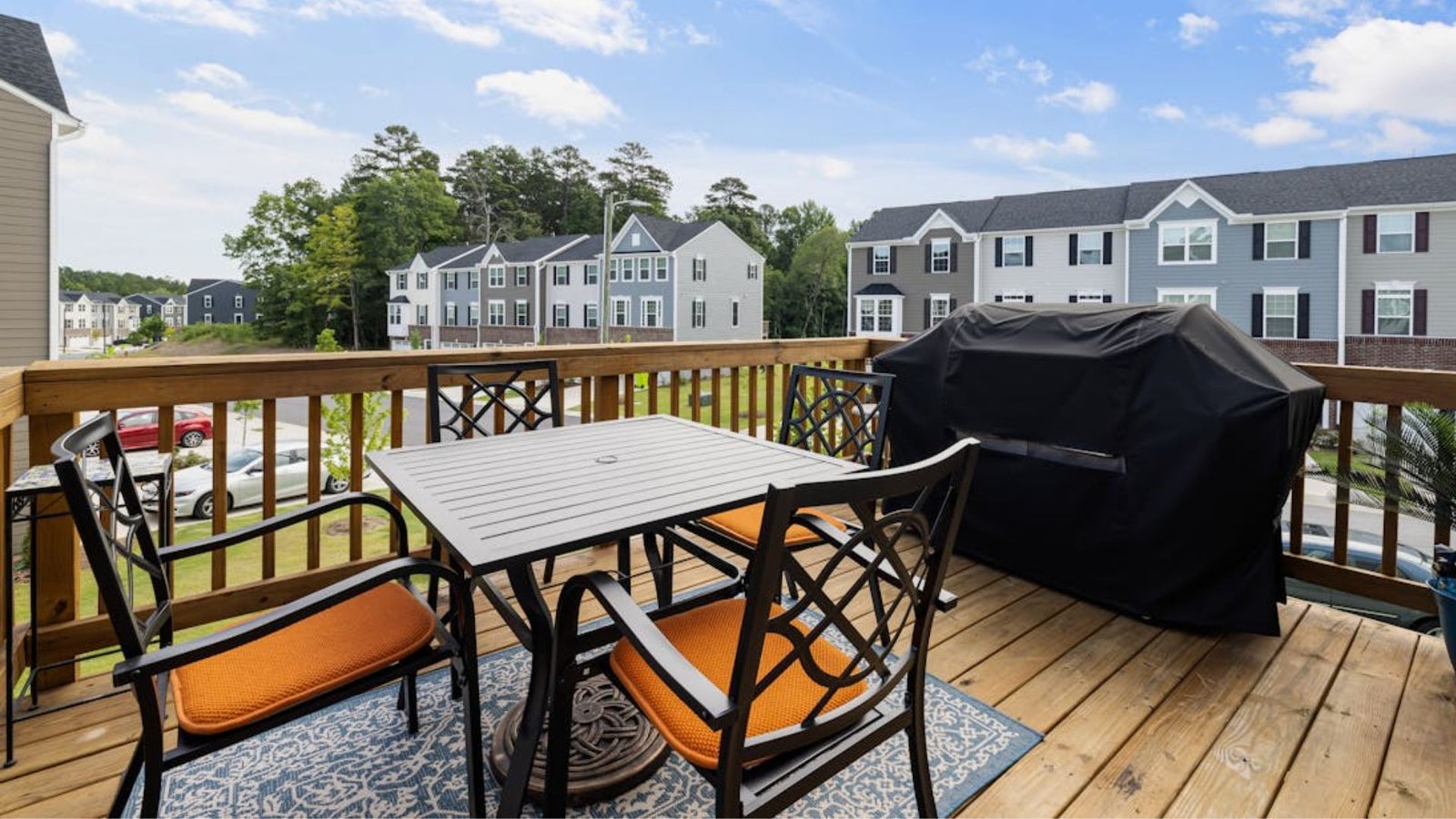
Outdoor decks don’t always get the love they deserve. They start off strong — cookouts, late-night talks, coffee in the morning — then slowly turn into that space you walk past without really using. Sun damage, peeling paint, wobbly furniture, harsh lighting – not really a good look for your deck. Even with solid bones, the deck just looks….tired.
Now, the question is, “Do you need a complete rebuild?” No, you don’t. A few smart updates – that’s all you need to bring back that comfort and make the space shine.
So, are you ready to refresh your deck? Then, read on!
Taking a Good Look at What You’re Working With
First things first — check the basics. Walk the deck. Feel for soft spots. Notice any loose boards or railings that don’t feel steady? Oh, and don’t forget to look for cracks, splinters, or boards that have seen better days.
How does the deck feel underfoot? Are the boards uneven? Don’t ignore these – they can turn into tripping hazards fast. If something looks off now, it’ll only get worse later. Once you know what’s solid and what needs attention, planning becomes a breeze.
Refreshing the Deck’s Paint or Stain
Want a quick change? Go for paint or stains. Want to keep that natural wood and make sure the sun doesn’t harm it? Deck staining works great for that. Solid stains cover more and help even out older boards. Paint gives a bold, clean finish, but it needs solid prep to last.
You don’t always have to redo everything. Some homeowners stain the full deck. They want a clean reset. Others focus on high-traffic areas, steps, or railings. Areas where age shows first. Both options work — it depends on the condition and budget.
Updating Deck Furniture, but Keep it Minimal
Still got your old deck furniture? Well, no wonder the place looks dated. Faded cushions, rusty frames, awkward layouts — they’re ingredients for a look that just doesn’t say “hang out here”.
Ready to swap some pieces then? But, hold on. That doesn’t mean you fill every inch. Remember the mantra: less clutter usually feels better.
Choose furniture that’s a fighter when it comes to weather. Think sturdy frames, washable cushions, and sizes that fit the space. Leave room to walk around – you don’t want to bump into everything, right? A deck should feel open, not packed.
Improving Lighting for Evening Use
Ahh! Lighting. It changes everything, doesn’t it? Without it, decks turn useless once the sun goes down.
Step lights help with safety. Rail lighting adds a soft glow. Overhead fixtures or string lights give atmosphere without blinding anyone. Think the goal is brightness, do you? It’s not – the aim is balance. Enough light to see, relax, and enjoy the space without it feeling harsh.
Adding Shade for Comfort During the Day
We all like the sun, but not too much of it, right? So, the deck needs to be prepped for days when the sun just can’t stop shining too brightly.
The keyword here is ‘shade’. Umbrellas work well for smaller setups. Pergolas add structure and style. Shade sails give flexibility without heavy construction.
Focus adding shade where people sit the most. Dining areas and lounge spots matter more than open walking space. Removable options work great if you want sunlight sometimes and shade when the heat hits hard.
Adding Privacy Without Making the Deck Feel Closed In
We all want privacy, right? Who can relax while feeling watched? That said, turning the deck into a boxed-in space kills the whole outdoor feel. So, what can you do to have your way?
The key is balance.
Simple screens work great. Lattice panels block sightlines but still let air move. Planter boxes with taller plants do the same job – they soften the space, too. Even railing add-ons can help if neighbors sit close by.
You get privacy and still feel outside. No cave vibes.
Choosing Materials That Don’t Demand Constant Upkeep
Outdoor spaces shouldn’t feel like chores. Where’s the fun in always cleaning or fixing things?
Go for materials that handle weather without drama. Composite décor pieces, treated fabrics, and sealed surfaces – they all hold up better. Skip anything that traps moisture or fades after one season. Easy-clean rugs, weather-resistant pillows, and solid accessories – all time-savers that don’t require much effort. Less maintenance, more relaxing. That’s the goal.
Bringing in Plants, but Don’t Overdo It
Yes, plants do make a deck feel alive. But too many? Messy, crowded, and annoying to maintain.
Stick with planters that fit the space. Choose plants that actually like your sun exposure — full sun, part shade, whatever your deck gets most. Tall plants work well for corners. Smaller ones add color near seating. Keep it manageable so watering doesn’t feel like a second job.
Keeping the Deck in Good Shape Over Time
Decks age fast when ignored. A little routine care goes a long way.
Sweep it off regularly. Wash it down when dirt builds up. Check fasteners, boards, and railings once or twice a year. Catch small issues early, and they stay small. Skip maintenance too long, and repairs get expensive.
A deck should feel easy. Not something you have to plan around or put off fixing. When it works, you just end up out there more without thinking about it. Morning coffee lasts longer. Evenings don’t feel rushed. People naturally drift outside and stay.
Little choices shape that feeling. What you sit on. How much sun hits you. Whether the space feels open or a bit more private. None of it needs to be perfect. It just needs to feel right.