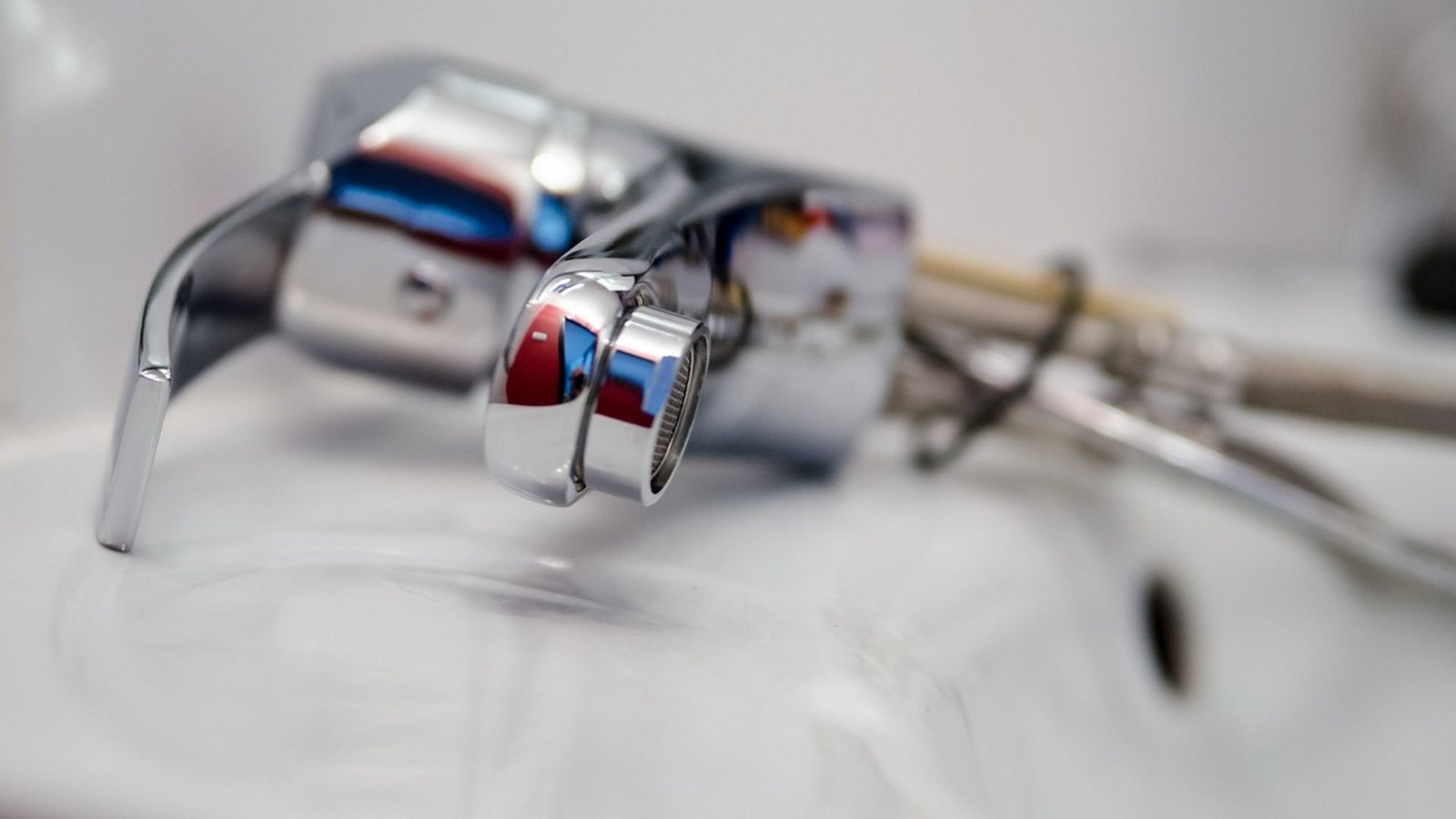
Ever caught yourself staring at a slow drip under the sink and deciding it could wait another week? It’s a familiar moment. You hear it late at night, or notice a small stain in the morning rush, and tell yourself you’ll circle back when things calm down. They usually don’t.
After spending enough time around homes where water quietly did its damage, those small signs stop feeling harmless. Plumbing problems almost never start loudly. They begin politely. A drip. A soft stain. A cabinet that smells a little off. What makes them expensive isn’t drama. It’s time.
Small Problems Don’t Stay Small
A loose connection or aging seal doesn’t announce failure. It leaks just enough to soak wood slowly, or to dampen drywall behind a wall you rarely touch. At first, nothing seems wrong. The floor feels solid. The paint looks fine. Water, though, keeps working in the background, spreading through framing and insulation where no one is looking.
Once moisture settles in, repairs stop being simple. Wood swells. Metal corrodes. Mold finds a place to grow. By the time the issue feels urgent, the original problem is no longer the main concern.
When Minor Leaks Turn into Restoration Work
Most homeowners don’t think about restoration when they notice a small plumbing issue. They think about tightening something later, or calling a plumber when time opens up. That delay is often what changes the scope of the problem. Water damage isn’t caused by one bad moment. It’s caused by repetition.
In situations where moisture has spread beyond the pipe itself, restoration becomes part of the solution. This is where professionals like Gateway Restoration enter the picture. Their work often starts after minor plumbing issues quietly affect walls, floors, or cabinets, turning a basic fix into a larger recovery process. The right professionals know exactly where to look and what to look for. They don’t just fix the visible issue, but the root of what’s causing it in the first place. This ensures the problems don’t resurface after a while.
The Costs People Rarely Add Up
Most people fixate on the price of the repair itself. How much to replace a valve, patch a pipe, or stop the leak? What tends to slip past that first calculation are the extras that follow. Cabinets swell and no longer close properly. Flooring has to be pulled because moisture keeps coming back. Paint bubbles, gets redone, then fails again. Insurance questions start showing up, too, especially when damage is traced to something slow and ongoing.
Disruption carries its own cost. Rooms get opened and stay that way. Furniture shifts into odd corners. Fans hum through the night. Daily routines bend around the mess. That chaos feels far removed from the original drip, but it grows from the same source.
Water Travels Further Than Expected
Water rarely stays where you first notice it. It slips along framing, follows gravity for a while, then settles wherever there’s space to hold it. A small leak upstairs can show up as a soft ceiling or a faint stain far from the source. By the time anything looks wrong, moisture may have been sitting inside walls for weeks, doing quiet work that no one sees.
Slow leaks are the trickiest. They don’t announce themselves with puddles or alarms. They just keep things damp enough to weaken wood, loosen fasteners, and invite mold. That kind of damage builds gradually and resists quick fixes once it takes hold.
Stress Is Part of the Price
The money gets most of the attention, but stress is usually the part people remember. Once water damage is noticed, even in a small area, everything speeds up. Questions come fast and rarely have clean answers. Is the space safe to use? How long will the repairs drag on? Someone has to be home, schedules shift, plans get pushed.
That tension doesn’t begin with torn-open walls or loud equipment. It starts earlier, back when the issue was still easy to postpone. Ignoring it felt harmless at the time. Later, it rarely does.
Maintenance Isn’t About Being Perfect
No house runs without issues for long. Pipes get tired. Seals dry out. Connections shift a little at a time. None of that means something was done wrong. What matters is how quickly it’s noticed. A quick look under a sink or behind a toilet isn’t technical work. It’s awareness. You’re watching for damp spots, listening for sounds that don’t fit, catching smells that hang around longer than they should.
Acting early rarely feels satisfying in a visible way. There’s no big reveal, no clear before-and-after moment to point to. Most of the time, the house looks exactly the same once the issue is handled. That sameness is the benefit. Minor plumbing problems may seem patient, but they keep time quietly, waiting for neglect to do the work.