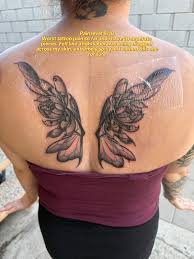
Getting a tattoo is an exciting way to express yourself, but a common question often pops up: do back tattoos hurt? Understanding the pain factor, preparation techniques, and recovery process can help you make an informed decision before committing to your design. In this article, we’ll explore everything from pain levels to personal experiences, comparisons, and expert tips to ensure a smoother experience.
Understanding Back Tattoo Pain
The level of discomfort when getting a back tattoo varies depending on multiple factors. The back is one of the larger areas of the body, offering a mix of fleshy and bony regions. Areas like the upper back and shoulders usually have more muscle and fat, which can cushion the needle and make the tattooing experience more tolerable. On the other hand, areas near the spine, shoulder blades, and ribs are thinner and closer to bone, often causing sharper sensations.
Pain is highly subjective, influenced not only by body anatomy but also by your personal tolerance, mental state, and the tattoo artist’s technique. Some people describe it as a constant scratching or burning sensation, while others may feel a deep, vibrating discomfort.
My Personal Experience
When I got my first back tattoo, I was nervous about the pain. Sitting for a three-hour session, I noticed that the areas over my shoulder blades hurt more than the fleshy part in the middle of my back. Surprisingly, regular breathing and occasional breaks helped me manage the discomfort, making the experience more manageable than I expected.
What to Expect During a Back Tattoo Appointment
Imagine you’re planning a large tattoo that spans your entire back. During the session, you might experience a mix of mild, moderate, and intense sensations depending on where the needle is working. An experienced tattoo artist will often schedule multiple sessions to minimize prolonged pain, giving you recovery time between areas. This approach not only reduces discomfort but also allows the design to settle naturally.
Factors Affecting Back Tattoo Pain
Several elements can influence how much a back tattoo will hurt:
-
Skin Thickness: Thicker, more muscular areas are generally less painful than thinner, bony regions.
-
Design Complexity: Detailed designs with heavy shading take longer and may increase discomfort.
-
Size of the Tattoo: Large tattoos often require longer sessions, which can add to fatigue and pain.
-
Needle Type & Technique: Different needle configurations create varying sensations. A skilled artist can minimize pain using precise strokes.
-
Mental Preparation: Stress, lack of sleep, or low pain tolerance can make the experience feel worse.
Pain Comparison Table
Here’s a rough comparison of pain levels for different areas on the back:
| Back Area | Pain Level (1–10) | Notes |
|---|---|---|
| Upper Back/Shoulders | 3–5 | Muscular areas absorb needle impact well |
| Middle Back | 4–6 | Moderate pain, varies with body composition |
| Spine | 7–9 | Needle hits bone, sharper sensation |
| Shoulder Blades | 6–8 | Thin skin, more sensitive |
| Lower Back | 5–7 | Can be uncomfortable, but manageable |
This table gives a realistic idea, but personal experience can differ.
How to Prepare for a Back Tattoo
Preparation is key to reducing pain and ensuring a smooth session:
-
Rest and Hydrate: Being well-rested and hydrated helps your body tolerate pain better.
-
Eat Beforehand: Low blood sugar can make you lightheaded during the session.
-
Wear Comfortable Clothing: Loose clothing allows easy access to the tattoo area and avoids friction.
-
Communicate with Your Artist: Let them know if you need breaks or numbing options.
-
Mental Techniques: Listening to music, practicing deep breathing, or using mindfulness can reduce perceived pain.
Aftercare and Recovery
Pain doesn’t end when the session does. Post-tattoo soreness is common for a few days, especially in sensitive areas. Keeping the tattoo clean, moisturized, and protected from friction or sun exposure accelerates healing. Over-the-counter pain relievers like ibuprofen can help manage discomfort, but avoid aspirin as it may increase bleeding.
Unique Insight
One overlooked aspect is posture during long back tattoo sessions. Maintaining a relaxed, supported position can significantly reduce strain on muscles, making the process less painful. Using a pillow or adjustable chair for support not only improves comfort but also allows your tattoo artist to work more efficiently.
Read More: Full Back Tattoos for Men: Designs & Inspiration
Conclusion
So, do back tattoos hurt? Yes, but the intensity varies widely depending on your anatomy, tattoo placement, and preparation. By understanding pain factors, preparing properly, and choosing an experienced tattoo artist, you can make the experience more comfortable and enjoyable. Back tattoos offer a large canvas for creative expression, and with proper care, they can be a lasting and meaningful piece of art.
FAQs
1. Are back tattoos more painful than other body parts?
Pain varies, but bony areas on the back can feel sharper than fleshy areas like thighs or upper arms.
2. Does tattoo size affect pain?
Yes, larger tattoos often mean longer sessions, which can increase discomfort over time.
3. Can I use numbing cream for a back tattoo?
Yes, but discuss it with your tattoo artist first, as effectiveness may vary.
4. How long does a back tattoo take to heal?
Initial healing is usually 1–2 weeks, but complete healing can take up to a month.
5. How can I reduce back tattoo pain?
Rest, hydration, proper posture, and breaks during sessions all help manage pain levels.