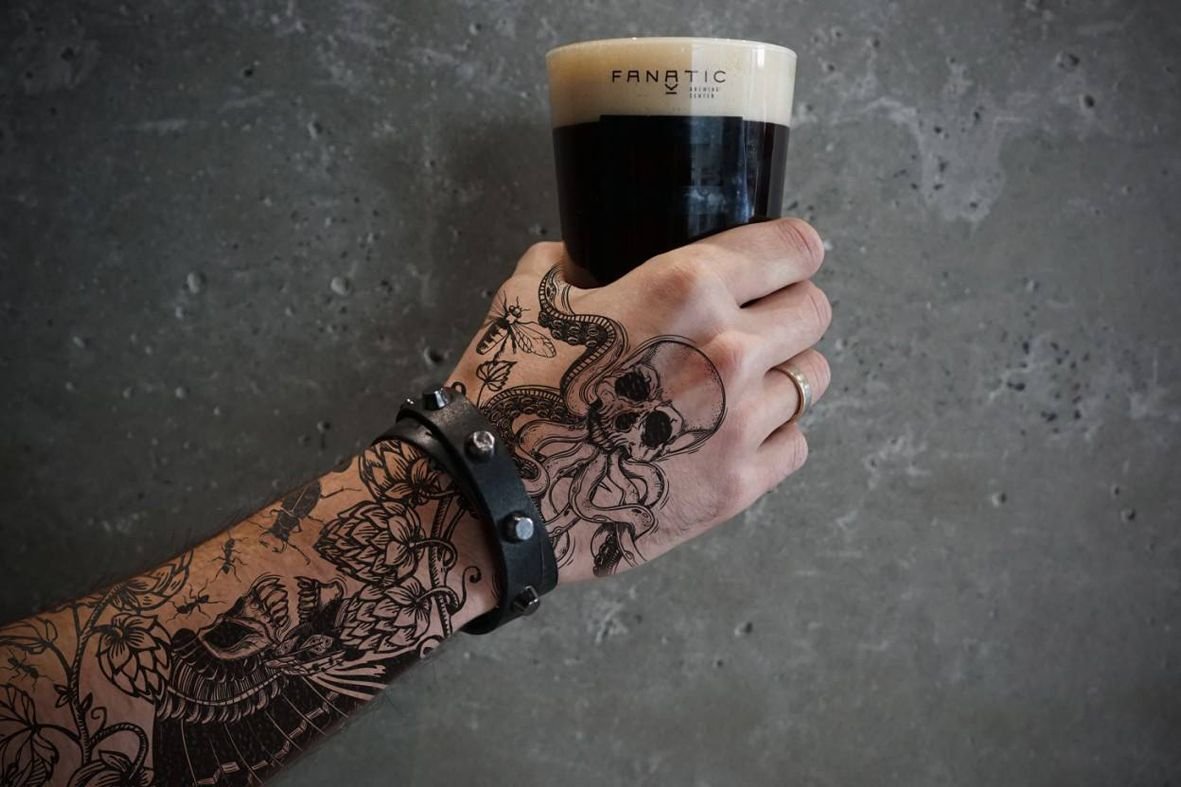
Getting a tattoo is an exciting experience, whether it’s your first or part of a growing collection. But after the needle work is done, many people wonder: can you drink after getting a tattoo? It’s a common question, and the answer isn’t as simple as a yes or no. Understanding how alcohol interacts with your body post-tattoo is essential for proper healing and maintaining the quality of your ink.
Why Alcohol and Tattoos Don’t Mix Well
Alcohol thins your blood. While this might sound harmless, it can increase bleeding during and after your tattoo session. Excessive bleeding can affect how the ink settles into your skin, potentially leading to uneven coloring or even areas where the ink doesn’t hold properly.
Moreover, alcohol dehydrates your body. Tattoos rely on well-hydrated skin to heal efficiently. When your skin is dry or inflamed, it can slow down the recovery process and increase the risk of infection.
In my personal experience, I once went for a tattoo after a night of heavy drinking. Not only did I bleed more than usual during the session, but the healing took almost twice as long, and some colors didn’t appear as vibrant as I had hoped. That day taught me that patience and preparation matter more than showing up with a buzz.
How Long Should You Wait Before Drinking?
Experts generally recommend avoiding alcohol for at least 24 hours before and after getting a tattoo. This window helps your body stabilize, prevents excessive bleeding, and supports the immune system in healing the wound. Some tattoo artists even advise waiting up to 48 hours for optimal results, especially for larger pieces.
Effects of Alcohol on Tattoo Healing
Drinking alcohol immediately after getting a tattoo can interfere with your body’s natural healing processes in several ways:
-
Increased Bleeding: Blood thinners in alcohol can cause prolonged bleeding, making your fresh tattoo more prone to scabbing and poor ink retention.
-
Weakened Immune Response: Alcohol can compromise your immune system, making infections more likely in the open wound.
-
Slower Healing: Your body prioritizes metabolizing alcohol over repairing tissue, which can prolong redness, swelling, and discomfort.
-
Skin Irritation: Alcohol can dehydrate and inflame your skin, which may lead to itching or peeling during the healing phase.
Drinking After a Tattoo
Imagine getting a tattoo on your forearm and celebrating immediately afterward with a few drinks at a party. A couple of hours later, you notice your tattoo bleeding more than expected, and the scab formation looks uneven. By the end of the week, you might notice patchy areas or color fading. While a single drink might not ruin a tattoo, repeated post-tattoo drinking sessions can lead to long-term issues with your ink.
Comparison Table: Drinking vs. Avoiding Alcohol After a Tattoo
| Aspect | Drinking After Tattoo | Avoiding Alcohol After Tattoo |
|---|---|---|
| Bleeding | Increased risk | Normal healing |
| Ink Retention | May appear uneven | Colors stay vibrant |
| Healing Time | Slower | Faster recovery |
| Infection Risk | Higher | Lower |
| Skin Hydration | Reduced | Maintains optimal moisture |
This simple comparison highlights how avoiding alcohol after getting a tattoo can dramatically improve the healing process and overall appearance of your tattoo.
Tips for a Smooth Tattoo Healing Process
Even if you’re tempted to unwind with a drink, consider these alternatives and tips for a safer recovery:
-
Stay Hydrated: Drink plenty of water before and after your session to keep your skin supple.
-
Eat Well: A nutritious meal before your appointment stabilizes your blood sugar and improves healing.
-
Follow Artist Instructions: Every tattoo artist has specific aftercare advice. Stick to their guidelines for optimal results.
-
Rest Your Body: Avoid strenuous activity and excessive alcohol during the first 48 hours.
-
Moisturize: Use recommended ointments to keep your tattoo hydrated and reduce itching or peeling.
By integrating these practices into your routine, your tattoo will have the best chance to heal beautifully, even if it’s a large or intricate design.
Unique Value Insight
Many people don’t realize that the healing process isn’t just about avoiding alcohol—it’s also about supporting your immune system and skin health overall. Incorporating antioxidant-rich foods, staying hydrated, and avoiding smoking can significantly enhance your tattoo’s vibrancy and longevity. This holistic approach gives your tattoo a natural boost from the inside out, ensuring your ink stays as stunning as the day you got it.
Read More: VCH Piercing Healing Time Guide
Conclusion
So, can you drink after getting a tattoo? Technically, you can, but it’s highly discouraged for at least the first 24–48 hours. Alcohol can slow healing, increase bleeding, and compromise the final appearance of your tattoo. By taking care of your body, staying hydrated, and following proper aftercare, you’ll enjoy a smoother recovery and a tattoo that looks great for years to come.
FAQs
1. Can I have one drink after a small tattoo?
It’s best to wait at least 24 hours. One drink might not cause major issues, but it can still slightly increase bleeding and irritation.
2. Does alcohol affect all tattoos the same way?
Yes, but larger tattoos with more shading or detail are more susceptible to uneven ink retention if alcohol is consumed too soon.
3. Can I drink alcohol before getting a tattoo?
Avoid drinking at least 24 hours before your session. Alcohol thins your blood and may make your tattooing more painful and messy.
4. Are there any drinks that are safer than others?
Non-alcoholic beverages like water, herbal teas, or electrolyte drinks are the best choices post-tattoo.
5. How can I speed up healing without alcohol?
Follow aftercare instructions, stay hydrated, eat nutrient-rich foods, avoid smoking, and use proper ointments recommended by your tattoo artist.