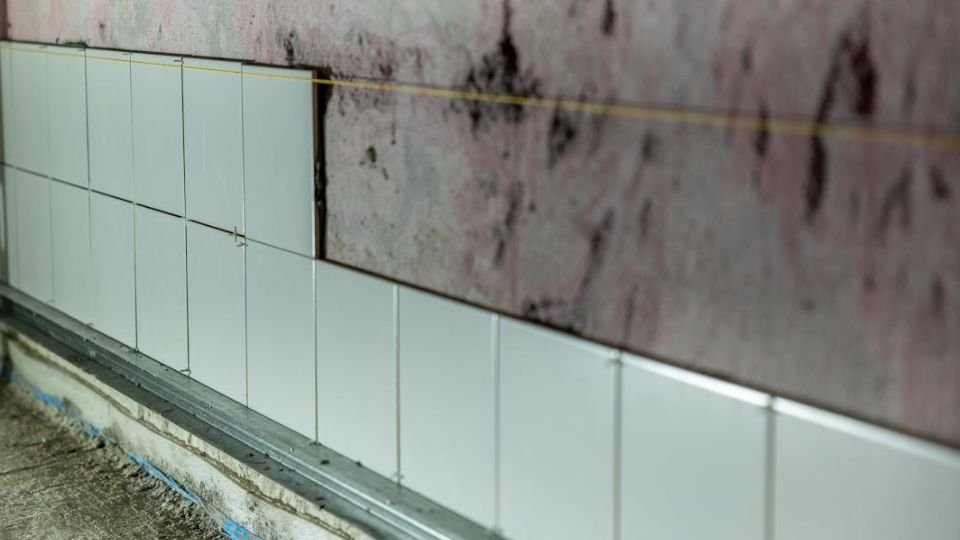
In places like Savage, Minnesota, mold isn’t unusual. Long winters keep homes sealed tight, then warmer months bring moisture back in. Basements stay damp longer than expected. Snow melts, water seeps in places you don’t always see. It doesn’t take much. A small leak, poor ventilation, or even just humidity building up quietly behind walls. That’s usually how it starts.
At first, it’s nothing obvious. Maybe a faint smell. A small patch near a corner. Easy to ignore. Most people do. Life’s busy, and the problem doesn’t seem urgent. But mold doesn’t stay small. It spreads, slowly, then faster. It moves into drywall, under floors, and inside insulation. By the time it’s visible everywhere, the damage is already more serious than expected.
That’s why early action matters. Not overreacting, but not waiting either. Knowing what to look for, what to fix yourself, and when to step back and bring in help.
Because once mold settles in, it doesn’t leave on its own.
Spot Early Signs and Act Quickly
Mold rarely announces itself loudly. It shows up in small ways first. Discoloration on walls. Peeling paint. A musty smell that doesn’t go away, even after cleaning. Sometimes it’s just a damp feeling in a room that shouldn’t feel that way.
And not all mold is visible. It grows behind drywall, under carpets, inside vents. You might notice symptoms before you see them, persistent odors, maybe even mild irritation or allergies that weren’t there before.
The key is to act early. Don’t panic, just act. Small patches can often be handled quickly if caught in time. But when mold keeps coming back, or spreads beyond a small area, it’s no longer a surface issue. It’s deeper.
In those cases, it makes sense to look into professional help. If you’re in Minnesota looking for mold remediation Savage MN offers trained teams that don’t just remove visible mold but also identify moisture sources, contain the spread, and treat affected areas properly so it doesn’t return. That level of work matters when the problem isn’t isolated anymore.
Because wiping mold off a wall doesn’t solve what’s behind it.
Control Moisture Before Mold Takes Hold
Mold needs moisture. That’s it. Without it, it doesn’t grow. So controlling moisture is the real solution, not just cleaning what’s already there.
Leaks are the obvious issue. Pipes, roofs, windows. Even small drips add up over time. Fix them early. Not later. Waiting makes it worse.
Then there’s humidity. Bathrooms, kitchens, basements. These spaces hold moisture longer. Without ventilation, that moisture settles into surfaces. Walls, ceilings, floors.
Dehumidifiers help. So do exhaust fans. Sometimes just opening windows changes airflow enough to reduce buildup.
And drainage matters too. Water around the foundation can seep inside slowly. You might not notice it until mold appears.
Control the moisture, you control the problem. Ignore it, and mold keeps finding ways back.
Clean Small Mold Problems Safely
Not every mold issue needs professional work. Small, contained areas can be handled. Carefully.
Use basic protection. Gloves, maybe a mask. Nothing extreme, just enough to avoid direct exposure. Clean the area with appropriate solutions. Dry it completely afterward. That part matters more than people think.
But don’t overestimate DIY fixes. Cleaning works for surface-level problems. Once mold spreads deeper, cleaning doesn’t reach it. You remove what you see, not what’s growing behind it.
And if it keeps coming back, that’s a sign. Something underneath isn’t fixed.
So yes, handle small issues yourself. But know when it’s not small anymore.
Understand When Mold Becomes a Bigger Problem
There’s a point where mold shifts from manageable to serious. Not always obvious, but the signs are there.
It spreads quickly. Covers larger areas. Smell gets stronger. Materials start to weaken—drywall softens, wood warps.
At that stage, it’s not just cleaning. It’s removal. Sometimes parts of the structure need to be replaced.
And surface treatments don’t work anymore. They might improve appearance, but the mold stays underneath.
That’s where professional remediation becomes necessary. Not optional. Because the longer it sits, the more it damages.
Waiting doesn’t save money here. It increases the cost later.
Protect Your Home’s Structure and Value
Mold doesn’t just affect appearance. It damages the structure. Slowly, but steadily.
Drywall absorbs moisture, then weakens. Wood starts to rot. Insulation loses effectiveness. Over time, these materials don’t just need cleaning; they need replacement.
And that’s where costs rise. What started as a small patch turns into a repair project.
It also affects property value. Buyers notice mold. Inspectors find it. Even past issues can raise concerns.
Handling mold early protects more than just the space; it protects the investment.
Improve Air Quality and Health Safety
Mold affects the air. Not always in ways you immediately notice, but it does.
Spores move through the air, especially in enclosed spaces. They settle, spread, and grow again. For some people, that leads to irritation, coughing, sneezing, and headaches. For others, it’s mild.
But the risk increases over time. Especially for children, older adults, or anyone sensitive to air quality.
You don’t need extreme conditions for it to matter. Just consistent exposure.
Removing mold improves more than the surface. It improves the environment you live in.
Build Long-Term Prevention Habits
Fixing mold once isn’t enough. It can come back.
So prevention matters. Regular checks. Not detailed inspections, just awareness. Look for damp spots. Watch for smells.
Keep humidity under control. Use fans. Let air move.
And handle issues quickly. Small leaks, small patches. Don’t let them sit.
Consistency matters more than effort. Small actions, repeated, prevent bigger problems.
Mold doesn’t solve itself. It grows. Quietly at first, then faster.
Handling it early keeps things simple. Waiting makes it complicated. More damage, more cost, more work.
The approach isn’t complicated: spot it early, control moisture, and act when needed. Sometimes that means doing it yourself. Sometimes it means bringing in help.
The key is knowing the difference.
Because once mold spreads, it’s no longer a small problem.