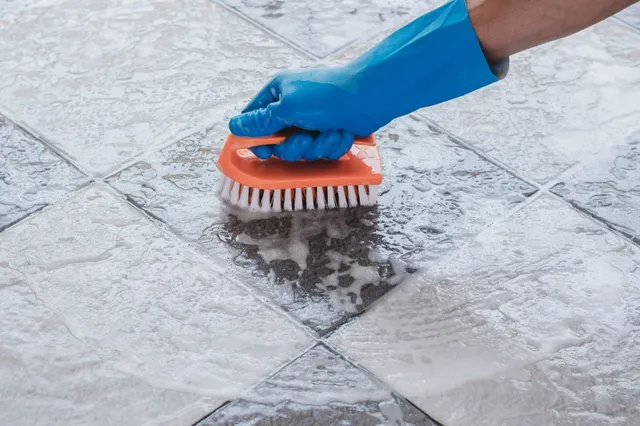
Grout is a porous material, typically cement-based, designed to fill gaps between tiles. That porosity is both its strength and weakness. It allows flexibility as surfaces expand and contract, but it also means grout absorbs liquids, oils, and bacteria easily.
In kitchens, it soaks up grease. In bathrooms, it traps moisture. On floors, it collects dirt with every step. Over time, even light-colored grout darkens—not because it’s old, but because it’s carrying years of buildup.
I learned this the hard way after moving into a rental where the tiles looked clean but the grout lines made the entire bathroom feel dingy, no matter how much I scrubbed the tile surface itself.
Daily and Weekly Habits That Make the Biggest Difference
You don’t need harsh chemicals or expensive tools to keep grout in decent condition. Consistency beats intensity every time.
Simple habits that work:
-
Wipe tiled surfaces after showers to reduce moisture
-
Sweep or vacuum tile floors before mopping
-
Use a pH-neutral cleaner rather than acidic solutions
-
Address spills quickly, especially oils or sauces
The goal isn’t perfection—it’s preventing buildup from becoming permanent staining.
Deep Cleaning: When Light Cleaning Isn’t Enough
Eventually, routine cleaning won’t cut it. That’s when targeted grout cleaning becomes necessary.
For most households, a deep clean every 3–6 months is enough. This involves:
-
Using a soft grout brush or old toothbrush
-
Applying a baking soda paste or oxygen-based cleaner
-
Letting the solution sit briefly before scrubbing
-
Rinsing thoroughly to avoid residue
Steam cleaners can also be effective, especially for bathrooms, because heat loosens grime without chemicals. However, excessive heat on damaged grout can worsen cracks, so inspection matters.
What Happens to Grout in Busy Kitchens and Bathrooms
Imagine a busy family kitchen. The tiles are durable, but after years of cooking, foot traffic, and the occasional dropped curry pot, the grout lines near the stove are noticeably darker than the rest of the floor. Regular mopping hasn’t helped, and guests assume the floor is old—when in reality, it just needs focused care in high-use zones.
This is a classic example of uneven wear, not failure. Spot treatment in problem areas often restores the entire floor’s appearance.
Sealing: The Step Most People Skip (and Regret)
Sealing grout is one of the most effective yet overlooked steps in long-term care. A quality grout sealer creates a protective barrier that repels moisture and stains while still allowing breathability.
Why sealing matters:
-
Reduces staining dramatically
-
Slows mold and mildew growth
-
Makes routine cleaning easier
-
Extends the life of grout lines
Most sealers last 1–3 years, depending on foot traffic and moisture exposure. If water no longer beads on the grout, it’s time to reseal.
DIY vs Professional Grout Care
Homeowners often wonder whether professional services are worth it. The answer depends on condition, not just budget.
| Aspect | DIY Care | Professional Service |
|---|---|---|
| Cost | Low upfront | Higher, but long-lasting |
| Time | Requires effort | Minimal homeowner involvement |
| Results | Good for light buildup | Ideal for heavy staining |
| Tools | Basic household items | Commercial-grade equipment |
| Longevity | Short-term improvement | Deep restoration |
For lightly stained grout, DIY methods are usually enough. For deeply discolored or crumbling lines, professionals can restore grout without full tile replacement—something many homeowners don’t realize is possible.
Common Mistakes That Shorten Grout Lifespan
Even well-intentioned cleaning can backfire.
Avoid:
-
Vinegar or bleach used repeatedly
-
Hard wire brushes that erode grout
-
Oversaturating floors during mopping
-
Ignoring cracked or missing grout
Once grout begins to crumble, cleaning alone won’t fix it. Repair or regrouting becomes necessary to protect the tile underneath.
The Hidden Value of Well-Maintained Grout
Clean grout does more than improve appearance. It contributes to:
-
Better indoor hygiene
-
Fewer allergens and mold spores
-
Higher perceived home value
-
Less frequent tile replacement
Buyers and guests often judge cleanliness subconsciously. Bright, even grout lines signal care and quality—without anyone consciously noticing why the space feels better.
How to Know When It’s Time to Replace Grout
Maintenance has limits. If you notice:
-
Persistent dark stains after deep cleaning
-
Cracks forming along multiple lines
-
Grout pulling away from tiles
-
Chronic mold returning quickly
These are signs that replacement, not cleaning, is the next step. The good news is that regrouting is far less invasive and expensive than retiling.
Read More: Influencers Gone Wild: Fame, Virality & Online Risks
Conclusion
Grout maintenance isn’t glamorous, but it’s one of the smartest ways to protect tile surfaces and keep your home looking clean year after year. With a mix of regular care, occasional deep cleaning, and proper sealing, grout can stay durable and attractive far longer than most people expect.
Instead of seeing grout as a problem area, think of it as a protective system. When you maintain it thoughtfully, everything around it benefits—from the tiles themselves to the overall feel of your space.
FAQs
How often should grout be cleaned deeply?
Most homes benefit from a deep clean every 3–6 months, depending on usage and moisture levels.
Is steam cleaning safe for grout?
Yes, when grout is intact. Avoid excessive heat on cracked or deteriorating grout.
Can discolored grout become white again?
Often, yes. Deep cleaning and sealing can restore much of its original color, unless staining is permanent.
Do all tiles need grout sealing?
Most cement-based grout benefits from sealing, especially in kitchens, bathrooms, and entryways.
Is regrouting better than replacing tiles?
In many cases, yes. Regrouting refreshes the look and function without the cost and disruption of full tile replacement.