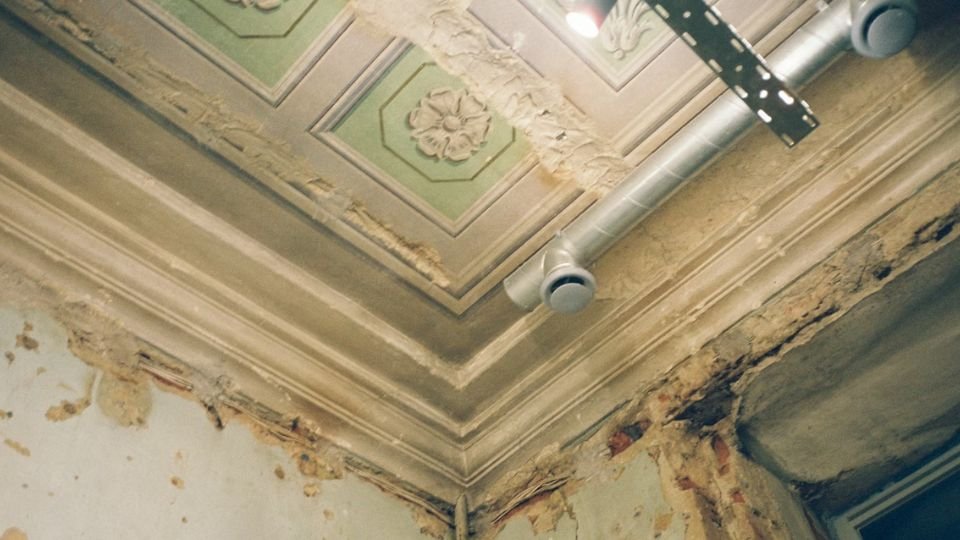
A home often feels like the safest place in the world. Doors lock, windows shut, and daily life unfolds within familiar walls. Yet some of the most significant health risks are not visible. They settle quietly into the air, hide behind drywall, and linger beneath flooring.
Orange County, California, combines coastal moisture, warm temperatures, and densely populated neighborhoods, conditions that can intensify indoor environmental concerns. According to the American Lung Association’s latest State of the Air report, the region continues to receive failing grades for ozone pollution. Outdoor air quality directly influences what circulates inside homes, especially when windows are opened or ventilation systems pull air indoors.
Indoor Air Pollution That Stays Trapped
Modern homes are built for efficiency. Tighter seals around windows and doors reduce energy loss, yet limited airflow allows pollutants to accumulate. Everyday activities such as cooking, cleaning, and burning candles release microscopic particles into the air. Over time, those particles linger, especially when ventilation is inadequate.
Dust mites, pet dander, and volatile organic compounds from household products frequently contribute to poor indoor air quality. Paints, cleaning sprays, and synthetic furnishings can release chemical residues that remain suspended in enclosed spaces. Exposure does not always produce immediate symptoms.
Mold Growth Behind Walls and Under Flooring
Moisture is one of the most underestimated threats inside a home. Coastal humidity, minor plumbing leaks, and condensation from poorly insulated pipes create ideal conditions for mold growth. Damp drywall, carpet padding, and subflooring can support colonies that expand long before visible stains appear.
Health reactions vary, but common signs include chronic coughing, sinus congestion, and skin irritation. Children, older adults, and individuals with asthma tend to experience stronger responses. A musty odor often serves as an early indicator, even when surfaces appear clean. If you’re looking for professionals who can conduct mold testing Orange County CA has several options offering certified inspections and detailed lab analysis. Qualified inspectors use moisture meters and air sampling tools to locate hidden growth and identify contributing factors. Early detection limits structural damage and reduces remediation costs. Moisture control remains the most effective prevention strategy.
Water Damage and Hidden Moisture Pockets
Small leaks rarely draw immediate attention. A slow drip beneath a sink or a minor roof seepage after rainfall may seem manageable. Yet trapped moisture weakens wood framing, encourages microbial growth, and gradually compromises structural integrity.
Areas beneath appliances, inside wall cavities, and around window frames frequently conceal dampness. Staining or bubbling paint sometimes appears only after prolonged exposure. Warped flooring and soft drywall signal that water has penetrated deeper layers. Routine inspections reduce the risk of long-term damage.
Aging Plumbing and Contaminated Water
Plumbing systems age silently. Corrosion inside pipes may not affect water pressure immediately, yet it can alter water quality over time. Older homes sometimes contain materials that release trace metals into the supply, especially when pipes deteriorate.
Cloudy water, metallic taste, or visible sediment suggest that further evaluation is necessary. Long-term exposure to contaminants can contribute to digestive discomfort and other health concerns. Water testing offers clarity and helps homeowners determine whether filtration systems or pipe replacement is needed. Preventive maintenance supports safer water consumption.
Pest Infestations Inside Walls and Attics
Unseen pests create more than structural problems. Rodents and insects introduce allergens, bacteria, and airborne particles that affect respiratory health. Droppings and nesting materials accumulate behind insulation and within ductwork, circulating contaminants throughout the home.
Scratching sounds inside walls, unexplained odors, or small entry gaps around foundations often indicate hidden activity. Termites pose additional risks by weakening wooden supports, sometimes causing damage before homeowners notice visible signs. Professional inspections help identify entry points and nesting areas. Sealing cracks, maintaining clean storage spaces, and addressing moisture issues discourage infestations.
Off-Gassing From Building Materials and Furnishings
Renovations and new furnishings often bring a sense of freshness to a home. New paint, flooring, cabinets, and furniture can improve aesthetics and functionality. At the same time, many of these materials release volatile organic compounds into the air, especially during the first weeks after installation.
Pressed wood products, synthetic carpets, adhesives, and certain finishes are common sources. These emissions may cause headaches, throat irritation, dizziness, or increased sensitivity for individuals with asthma. Lingering odors sometimes signal that chemicals are still dissipating into enclosed spaces.
Poor Ventilation in Bathrooms and Kitchens
Bathrooms and kitchens generate significant moisture and airborne particles every day. Hot showers release steam that settles onto walls and ceilings. Cooking produces grease, smoke, and microscopic food particles that cling to surfaces and circulate through the air.
Without adequate exhaust systems, humidity lingers long after showers end. Persistent moisture supports mold growth in grout lines, behind tiles, and inside cabinets. Kitchen buildup can affect air quality and create residue inside ductwork. Functional exhaust fans play a central role in moisture control. Fans should vent outdoors rather than into attics, where trapped humidity can cause hidden structural damage.
Neglected HVAC Systems and Dirty Ductwork
Heating and cooling systems influence air circulation throughout the entire home. Dust, pollen, and debris accumulate inside ducts over time, especially when filters are not replaced regularly. Once contaminants settle inside the system, they redistribute whenever the unit cycles on.
Moisture within HVAC components can also encourage microbial growth. Condensation around coils or clogged drain lines creates damp conditions that support buildup. Residents may notice persistent allergy symptoms or uneven airflow between rooms. Routine maintenance strengthens system performance and indoor air quality. Replacing filters according to manufacturer guidelines prevents excessive accumulation. Professional inspections identify worn components, blocked vents, and areas that require cleaning.
Hidden health hazards rarely demand immediate attention. They develop quietly, influenced by moisture, airflow, aging materials, and daily household habits. Indoor air pollution, mold growth, water intrusion, outdated plumbing, pest activity, chemical emissions, poor ventilation, and neglected HVAC systems each contribute to the overall condition of a living space.
Proactive homeowners treat environmental safety as part of routine maintenance. Regular inspections, timely repairs, and informed material choices reduce long-term risks. Paying attention to subtle warning signs often prevents expensive remediation and persistent health concerns. A safe home extends beyond visible cleanliness. Clean air, dry structures, and properly maintained systems form the foundation of true comfort.