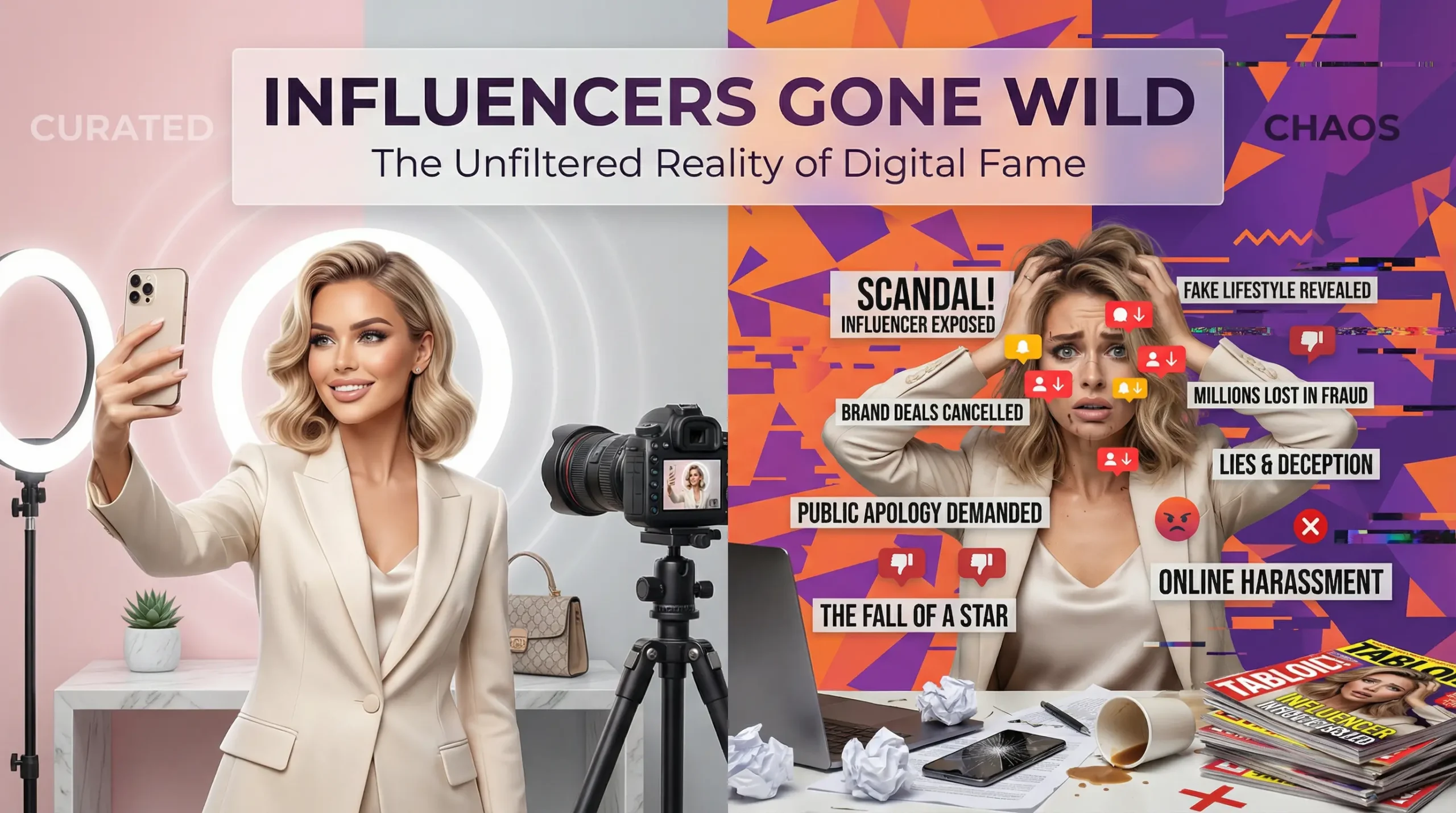
Scroll any social platform long enough and you’ll eventually stumble across it—an influencer doing something shocking, controversial, or completely unhinged. That moment when virality stops being creative and starts feeling reckless is what people now loosely describe as influencers fonw wild. It’s not a single event or platform. It’s a pattern. And it’s changing how audiences, brands, and creators themselves view online fame.
Influencer culture was built on relatability. But as competition for attention intensifies, some creators push boundaries further than ever before. Sometimes it works. Other times, it backfires spectacularly.
What “Influencers Gone Wild” Really Means Today
This phrase doesn’t just refer to scandalous content or explicit behavior. It’s broader and more nuanced than that. It includes:
-
Risky stunts done purely for engagement
-
Offensive jokes disguised as “edgy humor”
-
Fake controversies manufactured for clout
-
Over-sharing personal or family trauma
-
Ignoring ethical lines in sponsorships
The pressure to stay relevant is relentless. Algorithms reward extremes, not moderation. As a result, some influencers abandon long-term credibility in exchange for short-term virality.
I’ve personally unfollowed a creator I once admired after watching them stage a fake charity stunt for views—it felt like trust being traded for clicks.
Why Influencers Are Pushing Boundaries More Than Ever
The creator economy has matured, and so has the competition. Years ago, consistency was enough. Now, attention spans are shorter, feeds are crowded, and originality feels harder to achieve.
Several forces are at play:
Algorithmic Pressure
Platforms prioritize engagement. Content that sparks outrage, shock, or heated debate often travels faster than thoughtful posts.
Monetization Anxiety
When income depends on views, likes, and shares, creators may feel trapped in a cycle of escalation—each post needing to outperform the last.
Audience Desensitization
What once felt bold now feels ordinary. To stand out, some influencers feel they must go further, louder, or riskier.
Lack of Accountability
Unlike traditional media, many influencers operate without editors, compliance teams, or long-term reputational safeguards.
A Real-World Case Study from Influencer Culture
Imagine a lifestyle influencer known for fitness and wellness. Engagement begins to dip. They pivot—posting prank videos that humiliate strangers in public gyms. Views skyrocket. Brands notice the numbers, not the ethics. Then backlash hits. Sponsors quietly disappear. The audience fractures. What started as a growth strategy becomes a slow-motion collapse.
This cycle is surprisingly common.
The Fine Line Between Authenticity and Exploitation
Audiences crave authenticity, but there’s a difference between being real and being reckless. Oversharing mental health struggles can build connection—or turn pain into content. Filming emotional breakdowns can feel raw—or manipulative.
The problem with influencers who go “wild” isn’t just the behavior itself. It’s the erosion of trust. Once followers feel used rather than connected, loyalty evaporates.
Influencer Behavior Compared: Sustainable vs. Short-Term Fame
Here’s a simple comparison that highlights the long-term impact of different content approaches:
| Content Approach | Short-Term Results | Long-Term Impact |
|---|---|---|
| Shock-driven stunts | Rapid viral spikes | Audience fatigue, brand risk |
| Controversy baiting | High engagement | Reputation damage |
| Value-based storytelling | Slower growth | Strong trust & loyalty |
| Ethical brand collaborations | Moderate reach | Sustainable income |
| Boundary-pushing without purpose | Temporary fame | Platform penalties |
The contrast is clear: viral chaos may win today, but credibility pays tomorrow.
How Audiences Are Responding to Influencers Gone Wild
Interestingly, viewers are becoming more critical. Comment sections now act as informal accountability spaces. Screenshots circulate. Old posts resurface. Cancel culture aside, audiences are learning to distinguish between bold creativity and desperate attention-seeking.
This shift has led to:
-
Increased demand for transparency
-
Higher scrutiny of sponsored content
-
Preference for creators with consistent values
The novelty of outrageous behavior wears off quickly. Trust, once broken, is hard to rebuild.
Brand Perspective: Why Companies Are More Careful Now
Brands once chased follower counts blindly. Today, many analyze sentiment, comment quality, and past controversies before partnering with influencers. A single viral scandal can cost a company millions in reputation damage.
As a result, creators known for unpredictable or extreme behavior often find themselves quietly excluded from premium partnerships—even if their numbers look impressive on paper.
The Hidden Cost of Going Too Far
While viral moments look glamorous, the personal toll is rarely discussed. Burnout, anxiety, and identity confusion are common among influencers who feel forced to perform constantly.
When your income depends on shock value, you’re never truly off-camera. That pressure can distort decision-making and blur moral boundaries.
Can Influencers Recover After Going Wild?
Yes—but it requires humility and consistency. Successful recoveries usually involve:
-
Public accountability without defensiveness
-
A clear shift in content direction
-
Time away from posting
-
Rebuilding trust slowly, not chasing instant redemption
Audiences are surprisingly forgiving when change feels genuine.
The Bigger Picture of Influencer Culture
The conversation around influencers fonw wild reflects a larger shift in digital culture. We’re collectively questioning what we reward with attention. Every like, share, and follow is a vote.
Creators who understand this are moving toward substance over spectacle—using influence to educate, inspire, or entertain without crossing ethical lines.
Read More: myfastbroker.com Stock Brokers Smart Trading Choices
Conclusion:
Influencer fame today is fragile. One post can change everything. While outrageous content may generate instant buzz, it often comes at the cost of credibility, mental well-being, and long-term success.
The future belongs to creators who balance creativity with responsibility—who understand that influence isn’t just about being seen, but about being respected.
Audiences are watching more closely than ever. And this time, they remember.
FAQs
What does “influencers fonw wild” mean?
It generally refers to influencers engaging in extreme, controversial, or reckless behavior to gain attention, often at the expense of ethics or trust.
Why do influencers act outrageously online?
Algorithm pressure, competition, and monetization challenges push some creators toward shock-based content to stay visible.
Does wild influencer behavior hurt brands?
Yes. Brands risk backlash, lost trust, and reputational damage when partnering with controversial creators.
Can influencers rebuild their reputation after a scandal?
They can, but it requires accountability, consistency, and time. Quick fixes rarely work.
Are audiences becoming more critical of influencer content?
Absolutely. Viewers now value transparency, authenticity, and ethical behavior more than viral stunts.