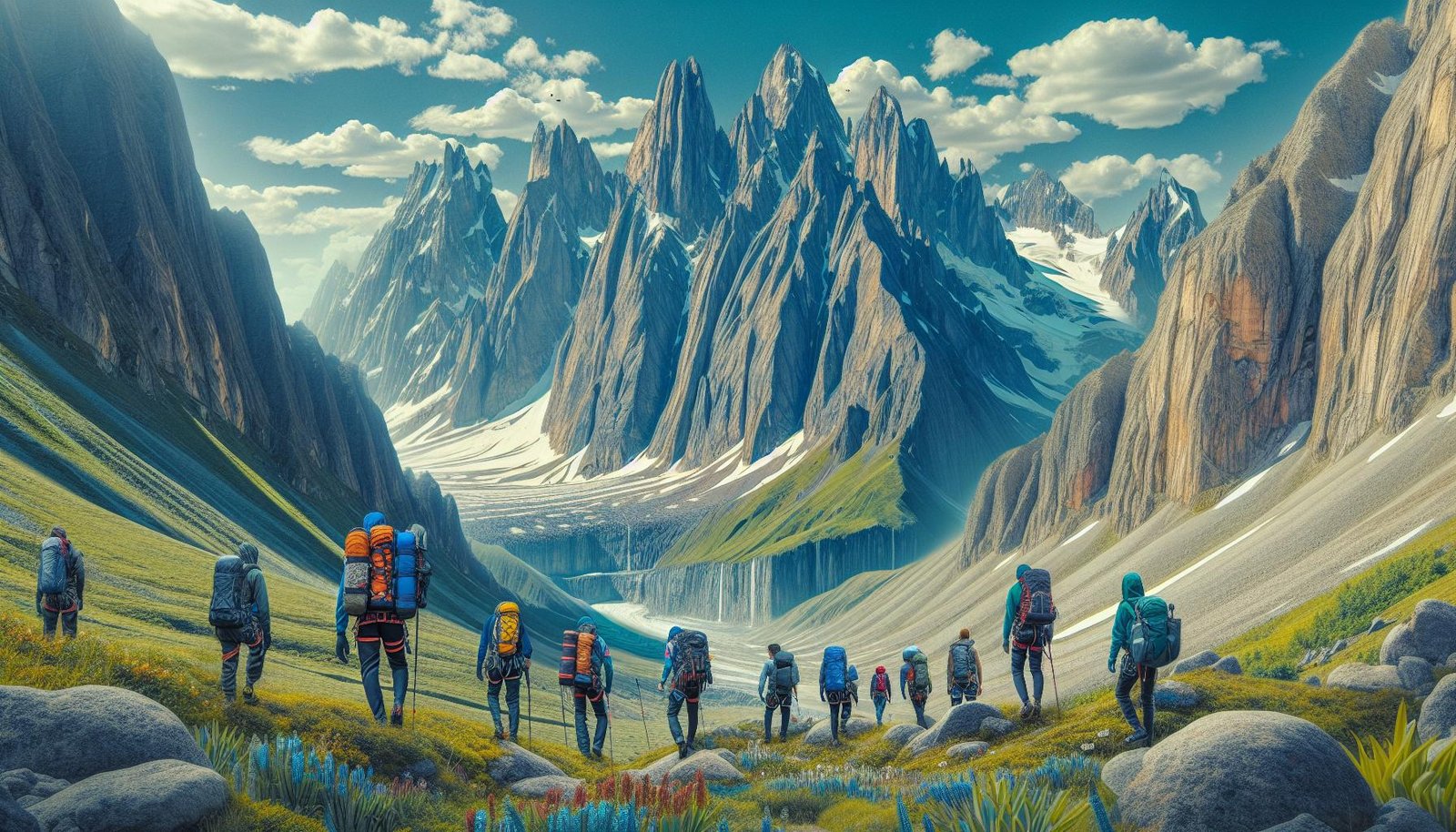
Mount Dhaulagiri rises like a gleaming white sentinel in the western Himalayas, commanding attention with its immense height and rugged beauty. At 8,167 meters (26,795 feet), it is the seventh-highest mountain on Earth and the tallest peak entirely within Nepal. Its snow-covered slopes, steep ridges, and sheer cliffs make it one of the most dramatic and challenging peaks in the world.
Dhaulagiri’s name, derived from Sanskrit, means “white or dazzling mountain”, reflecting its brilliant icy appearance that has captivated explorers, climbers, and locals for centuries. Beyond its breathtaking scenery, the mountain plays a vital role in the environment, feeding rivers and shaping the surrounding valleys, while also holding deep cultural significance for Nepalese communities. This article explores Mount Dhaulagiri in depth—its height, geography, climbing history, geology, environmental importance, and cultural legacy—offering a complete understanding of one of the Himalayas’ most iconic giants.
What Is Mount Dhaulagiri?
Mount Dhaulagiri is a massive mountain massif in western Nepal. While it consists of multiple peaks, its highest summit, Dhaulagiri I, is the most notable and ranks as the seventh tallest mountain in the world.
Geographical Setting
-
Location: West-central Nepal, part of the Dhaulagiri Himal section of the Himalayas.
-
Neighboring Peaks: To the east lies the Annapurna range, separated by the Kali Gandaki Gorge, one of the world’s deepest valleys.
-
Topography: The mountain rises sharply from the valleys below, creating one of the most dramatic vertical reliefs on Earth.
Significance
Dhaulagiri is not just a mountain; it is a symbol of natural beauty, adventure, and cultural heritage. Its towering presence defines the landscape and inspires awe among trekkers, climbers, and local communities alike.
The Height of Mount Dhaulagiri
Dhaulagiri I stands at 8,167 meters (26,795 feet), placing it among the exclusive “eight-thousanders”—the 14 highest peaks on the planet.
Importance of This Height
-
Global Ranking: Seventh-highest mountain in the world.
-
Nepal’s Highest Single-Country Peak: Unlike Everest, which straddles Nepal and Tibet, Dhaulagiri I lies entirely within Nepal.
-
Vertical Relief: The mountain rises dramatically from surrounding valleys, enhancing its imposing appearance.
This extraordinary height makes Dhaulagiri both a challenge for mountaineers and a natural marvel for geographers and travelers.
How Mountain Heights Are Measured
Measuring mountain heights has evolved over time:
-
Traditional Methods: Triangulation and barometric pressure readings were used by early explorers.
-
Modern Methods: GPS technology, satellite imaging, and digital elevation models now provide precise and reliable measurements.
Thanks to these modern techniques, Dhaulagiri’s official height of 8,167 meters is considered accurate.
Geology and Landscape
Formation of the Himalayas
Dhaulagiri formed from the collision of the Indian and Eurasian tectonic plates, a process that continues to push the Himalayas upward every year.
Terrain Features
-
Multiple summits with Dhaulagiri I as the highest.
-
Surrounding glaciers, cliffs, and valleys form a dramatic and varied landscape.
-
The mountain’s slopes host a range of ecosystems, from alpine forests to icy high-altitude terrain.
This geological diversity makes Dhaulagiri both visually stunning and ecologically significant.
Climbing History
First Ascent
The first successful ascent of Dhaulagiri I occurred on May 13, 1960, by a Swiss-Austrian-Nepali expedition.
Challenges of Climbing
-
High Altitude: Thin air and extreme cold make survival and climbing difficult.
-
Technical Difficulty: Steep ice slopes, rock faces, and crevasses require advanced mountaineering skills.
-
Weather: Sudden storms and avalanches pose serious risks.
Despite modern equipment, climbing Dhaulagiri remains a formidable challenge with a notable fatality rate.
Climate and Environment
Weather Patterns
-
Summit temperatures remain below freezing year-round.
-
Frequent snowstorms and strong winds are common, especially in winter.
Glaciers and Water Resources
Dhaulagiri’s glaciers feed rivers that support agriculture and communities in the surrounding valleys. These water sources are vital for local ecosystems and human settlements.
Flora and Fauna
-
Lower slopes feature alpine vegetation and wildlife adapted to mountainous terrain.
-
Biodiversity decreases with altitude, but valleys and forested areas sustain unique species.
Cultural and Local Significance
Mountains in Nepal hold spiritual and cultural importance. Dhaulagiri is revered in local folklore and considered sacred by communities living nearby.
-
Tourism: Trekking and climbing generate income for locals through guiding services, lodges, and cultural experiences.
-
Cultural Influence: The mountain inspires stories, songs, and traditions, reflecting its symbolic and spiritual value.
Balancing tourism with environmental conservation is critical to preserving Dhaulagiri’s natural and cultural legacy.
Environmental Concerns
Glacial Retreat and Climate Change
Warming temperatures are causing glaciers to shrink, threatening water supplies and ecosystems downstream.
Sustainable Tourism Practices
-
Responsible trekking and climbing practices.
-
Waste management on trails.
-
Educating visitors about environmental impact.
Protecting the mountain ensures it remains a pristine natural wonder for future generations.
Comparison With Other High Mountains
| Mountain | Height (m) | Global Ranking |
|---|---|---|
| Mount Everest | 8,848 | 1st |
| K2 | 8,611 | 2nd |
| Dhaulagiri I | 8,167 | 7th |
While not the tallest, Dhaulagiri’s dramatic relief, isolation, and prominence make it one of the most spectacular mountains in the Himalayas.
Practical Tips for Travelers and Climbers
Best Time to Visit
-
Spring (March–May) and Autumn (September–November) for stable weather and clear views.
Preparation and Permits
-
Climbing permits are required for mountaineers.
-
Trekking routes usually begin from Pokhara or nearby towns.
Safety Recommendations
-
Proper acclimatization is essential to avoid altitude sickness.
-
Hiring experienced local guides increases safety and enriches cultural understanding.
Read More: Living with Pavatalgia: Life Expectancy, Causes, and Management
Conclusion
Mount Dhaulagiri is more than just a high peak; it is a symbol of natural grandeur, human endurance, and cultural heritage. Standing at 8,167 meters, it challenges climbers with its steep slopes, extreme weather, and icy terrain, while also offering breathtaking beauty that inspires awe in every observer. Its glaciers nourish rivers, its valleys sustain ecosystems, and its slopes are home to communities whose lives are intertwined with the mountain’s presence.
Since its first ascent in 1960, Dhaulagiri has drawn adventurers from around the world, yet it remains a mountain that commands respect and careful preparation. Its cultural and ecological significance reminds us that mountains are not merely physical features, but vital elements of our planet’s natural and human systems. Mount Dhaulagiri stands as a testament to the majesty of the Himalayas, offering adventure, inspiration, and a glimpse into the extraordinary power of the natural world.
FAQs
1. What is the height of Mount Dhaulagiri?
Dhaulagiri I rises to 8,167 meters (26,795 feet), making it the seventh-highest mountain in the world.
2. Where is Mount Dhaulagiri located?
It is situated in western Nepal, part of the Dhaulagiri Himal range in the Himalayas.
3. How difficult is climbing Dhaulagiri?
It is extremely challenging due to high altitude, steep terrain, and unpredictable weather, requiring advanced mountaineering skills.
4. When was Mount Dhaulagiri first climbed?
The first successful ascent was in May 1960 by a Swiss-Austrian-Nepali expedition.
5. What does “Dhaulagiri” mean?
The name comes from Sanskrit, meaning white or dazzling mountain, describing its snow-covered peak.