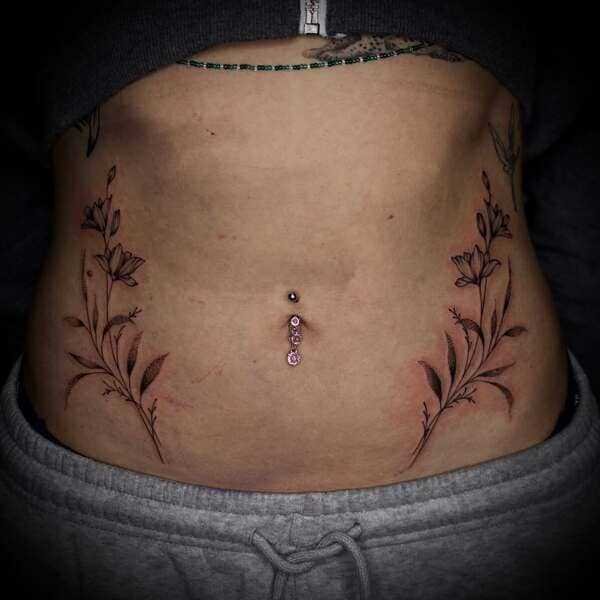
Getting a tattoo is an exciting form of self-expression, but for many, the thought of pain can be intimidating—especially when it comes to stomach tattoos. Unlike arms or legs, the stomach is uniquely sensitive due to the combination of soft skin, underlying muscle, and varying fat layers. Understanding what to expect and how to manage discomfort can make the experience far more manageable.
From my own experience, the first time I got a stomach tattoo, the initial pricking sensation felt sharper than I anticipated, but after a few minutes, the rhythm of the needle became oddly tolerable. This highlights an important point: the pain can be intense at first but often becomes manageable once your body adapts.
Why the Stomach Is Painful to Tattoo
Pain levels for tattoos vary widely between individuals, but the stomach is often considered one of the more sensitive areas. Key reasons include:
-
Thin Skin: Areas with less cushioning fat or muscle tend to feel more pain.
-
Proximity to Nerves: The stomach has a network of nerves that can amplify discomfort.
-
Movement Sensitivity: Breathing naturally expands and contracts your stomach, making it harder to stay still and potentially increasing discomfort.
It’s important to remember that pain is subjective; what is unbearable for one person may be moderate for another. Lifestyle factors, stress levels, and even hydration can influence how much pain you perceive during a session.
Pain Intensity by Stomach Area
Not all areas of the stomach hurt equally. Here’s a simple comparison table to give a sense of what to expect:
| Stomach Area | Pain Level (1–10) | Notes |
|---|---|---|
| Upper abdomen | 6–8 | Closer to ribs, thin skin, more sensitive |
| Lower abdomen | 4–7 | Slightly softer skin, less nerve-dense |
| Sides/Obliques | 7–9 | Often sharper pain, especially near hip bones |
| Belly button surrounding | 8–10 | Highly sensitive due to nerve concentration |
This table can help you plan placement and understand why some designs may be more tolerable than others.
How to Minimize Discomfort During a Stomach Tattoo
-
Choose the Right Artist: Experienced tattoo artists know how to work with sensitive areas and minimize pain through technique.
-
Hydrate and Eat Well: A full stomach (not too heavy) helps keep your body stable and less reactive to pain.
-
Breathe and Relax: Shallow or irregular breathing can increase muscle tension, making the needle feel sharper.
-
Topical Numbing Creams: Certain creams can reduce surface pain, though results vary depending on skin type.
-
Break Sessions Into Smaller Parts: Large stomach tattoos can be completed in multiple sessions to limit continuous discomfort.
A real-world scenario: A friend of mine had a full mandala stomach tattoo done over three sessions. By spacing out the work, she found the pain manageable and left each session feeling confident about continuing.
Comparing Stomach Pain With Other Tattoo Areas
Many people wonder if stomach tattoos are worse than others. Here’s a brief comparison:
| Tattoo Location | Pain Level (1–10) | Notes |
|---|---|---|
| Upper arm | 3–5 | Most common area, generally mild |
| Rib cage | 8–10 | Very painful due to thin skin and bone |
| Back | 5–7 | Muscle cushioning reduces discomfort |
| Stomach | 4–9 | Highly variable, depends on area and size |
This demonstrates that stomach tattoos are often more painful than arms or back but typically less intense than rib or spine tattoos.
The Role of Mental Preparation
Pain isn’t just physical—your mindset plays a huge role. Visualizing the final result, listening to calming music, or talking with your artist during the session can make a huge difference. It’s also helpful to go in with realistic expectations; knowing that some areas will be sharper can reduce anxiety and tension.
Aftercare and Recovery Tips
Proper aftercare reduces post-tattoo soreness and ensures your design heals beautifully:
-
Keep the tattoo clean and moisturized with fragrance-free ointments.
-
Avoid tight clothing that rubs against the stomach.
-
Stay hydrated and maintain a balanced diet to support healing.
-
Avoid strenuous exercise in the first few days to minimize irritation.
By caring for your stomach tattoo correctly, you’ll prevent unnecessary pain during the healing process and protect your investment in the artwork.
Unique Insight
One thing I’ve learned from speaking with multiple tattoo artists is that stomach tattoos allow for a unique blend of movement and art. The way the stomach expands and contracts naturally gives certain designs—like waves, mandalas, or flowing scripts—a dynamic quality that other body areas can’t replicate. While pain may be higher in spots, the artistic payoff is unmatched, which is a major reason many enthusiasts choose this canvas.
Read More: Can You Drink Alcohol After Getting a Tattoo?
Conclusion
Stomach tattoos are a bold and personal choice. Pain levels can vary depending on placement, individual tolerance, and session duration, but with preparation, the right artist, and proper aftercare, it’s entirely manageable. The key is understanding what to expect and embracing the experience as part of the journey to your new artwork.
Getting a stomach tattoo may involve discomfort, but the end result—a meaningful design in a unique location—is often worth it.
FAQs
Q: How painful is a stomach tattoo compared to other areas?
A: It depends on the location and individual tolerance. Generally, the stomach is more sensitive than arms or back but less than ribs or spine.
Q: Can I reduce stomach tattoo pain with numbing creams?
A: Yes, topical numbing creams can help, but results vary. They typically reduce surface pain but not deeper sensations.
Q: How long does stomach tattoo pain last during a session?
A: Pain is often sharp at first but becomes more manageable after 10–20 minutes. Breaks and pacing help with longer sessions.
Q: Does stomach size affect pain levels?
A: Thicker fat layers may cushion some areas, but nerves and placement are bigger factors than size alone.
Q: How should I care for my stomach tattoo to prevent discomfort afterward?
A: Clean and moisturize regularly, avoid tight clothing, and limit strenuous activity until fully healed.