Introduction
Traveling is one of life’s most enriching experiences, but it also comes with risks, especially when visiting unfamiliar countries or regions. A travel advisory is an official notice that informs travelers about potential dangers in a particular destination. These can include political unrest, crime, health risks, natural disasters, or infrastructure problems. Understanding travel advisories helps travelers make informed decisions, prepare adequately, and ensure safety during their trips. Ignoring these warnings can lead to serious consequences, from missing flights to encountering life-threatening situations. In this guide, we’ll explain what travel advisories are, how they are issued, what they mean, and how you can use them effectively to plan your travels with confidence and peace of mind.
What Is a Travel Advisory?
A travel advisory is an official notification issued by governments or international organizations to inform travelers about risks in a specific location. These risks can include:
-
Security threats: civil unrest, terrorism, or violent crime
-
Health hazards: disease outbreaks, epidemics, or limited medical infrastructure
-
Environmental risks: natural disasters or extreme weather
-
Travel disruptions: strikes, transportation issues, or border closures
Travel advisories provide up-to-date information to help travelers make informed decisions before planning or embarking on a trip.
How Travel Advisories Work
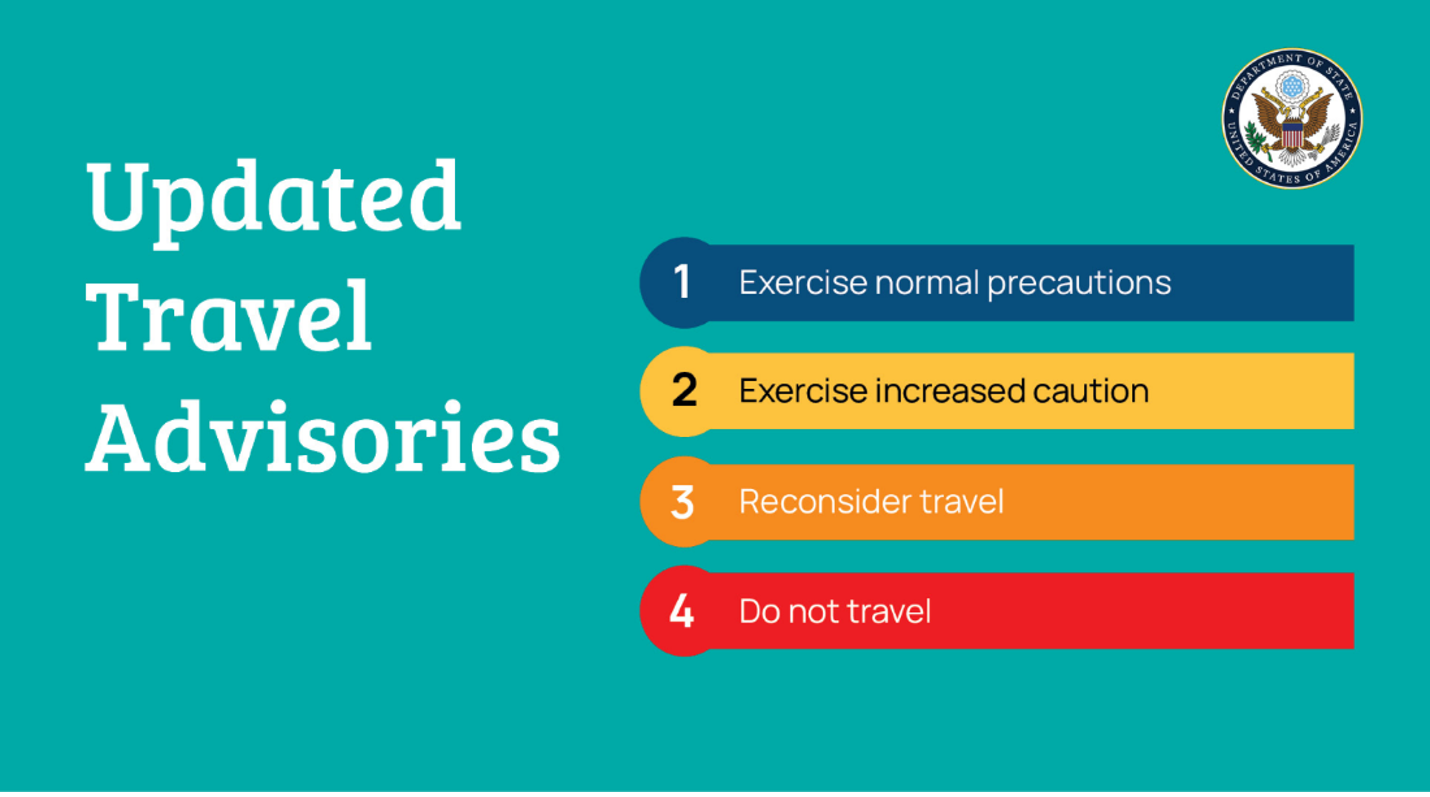
Travel advisories often use a tiered system to indicate the level of risk. A common four-level system includes:
-
Level 1 — Exercise normal precautions: Low-risk areas; general safety measures recommended
-
Level 2 — Exercise increased caution: Some safety concerns; be vigilant
-
Level 3 — Reconsider travel: Significant risks; travel only if necessary
-
Level 4 — Do not travel: High risk; life-threatening situations may exist
Some advisories are issued for entire countries, while others may focus on specific regions or cities within a country.
Why Travel Advisories Matter
Travel advisories are crucial for several reasons:
-
Safety and security: They alert you to crime, terrorism, or unrest
-
Health awareness: Provide information on outbreaks, vaccinations, and medical facilities
-
Travel planning: Help anticipate disruptions, transportation problems, and natural disasters
-
Insurance considerations: Certain advisories may affect coverage for trips or emergencies
-
Informed decisions: Ensure travel plans are based on verified, up-to-date information
Using advisories responsibly can reduce risk and enhance the travel experience.
Who Issues Travel Advisories
Travel advisories are issued by:
-
Governments: National foreign offices and departments of state provide advisories for citizens traveling abroad
-
International organizations: Health and security organizations issue guidance during epidemics, natural disasters, or political crises
Advisories are updated regularly as situations evolve, particularly in areas with high risk. Travelers are encouraged to check advisories before departure and while traveling.
How to Use Travel Advisories
Here’s a step-by-step approach to using travel advisories effectively:
-
Check official sources: Consult government and embassy advisories for the latest information
-
Review regional details: Focus on city or region-specific advisories rather than the entire country
-
Assess personal risk: Consider your tolerance for risk and purpose of travel
-
Register with alert programs: Some governments offer travel registration for safety updates
-
Plan your itinerary carefully: Avoid high-risk areas and choose safe accommodations and transport
-
Prepare emergency contacts: Include embassies, local emergency services, and insurance details
-
Stay updated while traveling: Monitor news and advisories during your trip
Common Misconceptions About Travel Advisories
-
“Advisories mean the entire country is unsafe.” Many advisories target specific regions, not the whole country
-
“They’re only about terrorism or war.” They also include health, environmental, and logistical risks
-
“If I’m already there, they don’t matter.” Advisories provide guidance even for travelers already on location
-
“Insurance will cover everything.” Insurance may not cover travel to areas under “Do Not Travel” advisories
Travel Advisory in Today’s World
Travel advisories remain vital in a world where risks can emerge quickly, from political unrest to pandemics or extreme weather. They allow travelers to act responsibly, respect local conditions, and travel safely. Using advisories doesn’t mean avoiding adventure; it means making informed choices that keep you safe while enjoying your trip.
Read More: Is 412-387-9299 a Scam/Spam Number? What You Should Know
Conclusion
Travel advisories are essential tools for safe and responsible travel. They provide clear guidance on potential risks, allowing travelers to plan carefully, avoid danger, and protect themselves and their loved ones. By consulting official advisories, evaluating risk levels, preparing emergency plans, and staying informed during your journey, you can ensure your travel experience is both enjoyable and secure. Awareness and preparation transform travel from risky to rewarding. Taking advisories seriously doesn’t restrict your adventures — it empowers you to explore the world safely.
FAQs
Q1. What is the difference between a travel advisory and a travel alert?
A travel advisory is a general assessment of risks over a longer period, while a travel alert is usually short-term and addresses immediate threats.
Q2. How often are travel advisories updated?
Advisories are updated regularly, especially in high-risk areas. Checking close to departure and during travel is recommended.
Q3. If a destination is under “Do Not Travel,” can I still go?
Yes, but it carries significant risks, and insurance coverage may be limited. Travelers should carefully consider safety before deciding.
Q4. Where can I find reliable travel advisories?
Consult government websites, embassies, consulates, and international organizations for accurate, up-to-date information.
Q5. Does a travel advisory guarantee I will face problems?
No — advisories indicate potential risks, not certainties. They help travelers plan, take precautions, and make informed choices.