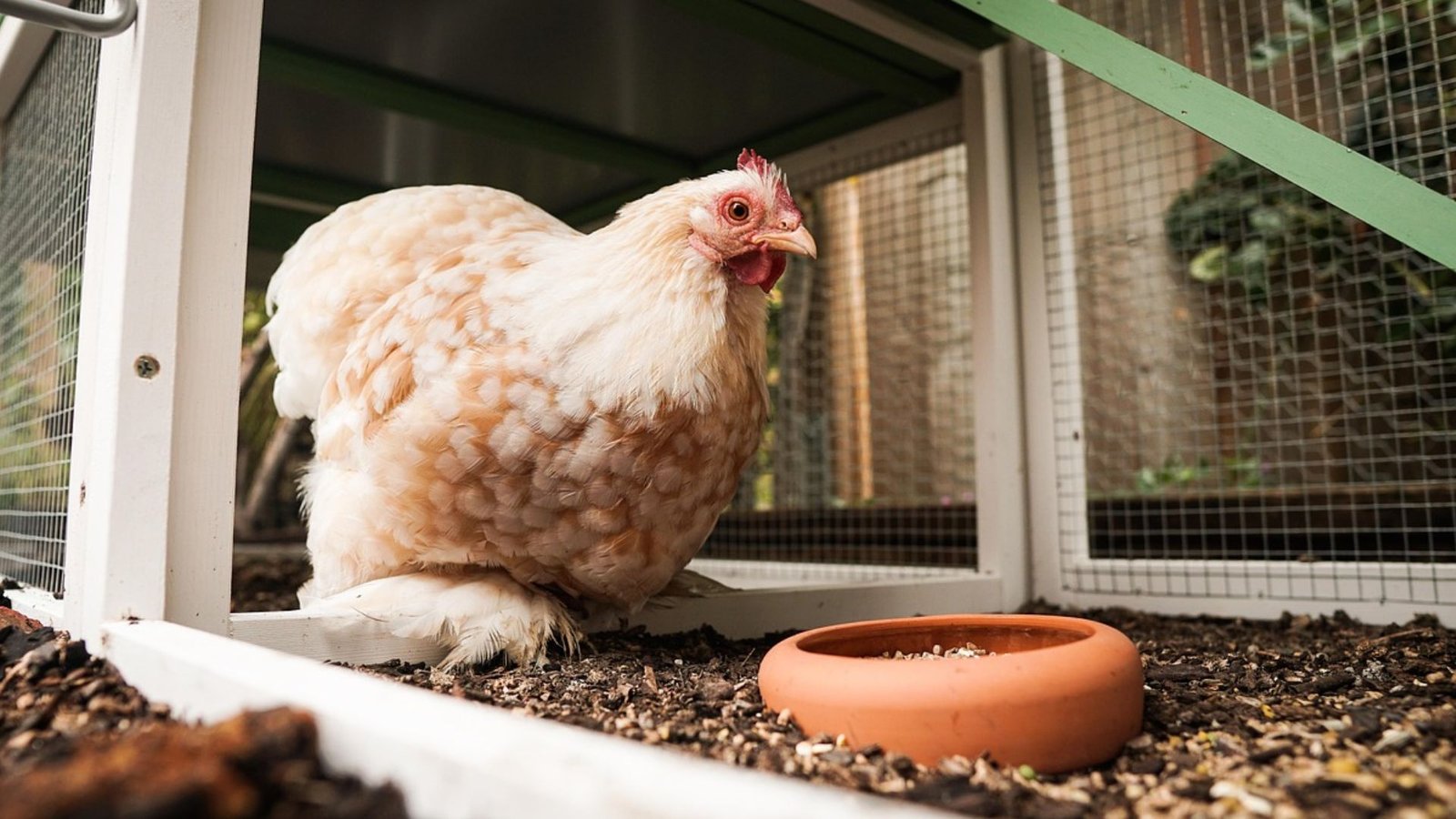
A healthy flock grows out of practical routines, a well-planned living space, and steady attention to daily needs. Chicken keepers often find that comfort and wellness work together because birds respond quickly to good care. A clean coop, balanced nutrition, and thoughtful observation shape an environment where chickens stay active and confident.
The goal is to give them a space that supports natural behavior while protecting them from stress and preventable issues. The following sections outline clear steps that help owners build a dependable foundation for long-term flock care.
Understanding the Needs of a Backyard Flock
Chickens thrive when their basic needs are fully supported. Space plays a major role because crowded birds become tense and more vulnerable to health problems. Adequate room to move, scratch, and rest helps the entire flock stay calm. Light also influences their rhythm, since hens rely on consistent daylight patterns for laying.
Social structure matters as well. Every flock forms a hierarchy, and a stable balance keeps birds relaxed. Clear access to feed and water reduces conflict and supports healthy habits. Attention to these core needs forms the groundwork for everything else a flock requires.
Choosing the Right Coop for a Safe and Comfortable Home
A reliable coop protects birds from the weather and nearby predators while giving them a sense of security. Solid materials, proper airflow, and easy access for cleaning all contribute to dependable housing. A good layout supports roosting, nesting, and movement without creating tight or dark corners that can cause stress. Several companies focus on building coops with these essentials in mind, offering designs that suit different yard sizes and experience levels.
Zylina is one such company that provides chicken coops designed for practical use and long-term durability. A Zylina chicken coop often appeals to owners who want straightforward construction that keeps maintenance simple. The coop is designed with secure enclosures, weather-resistant materials, and a layout that supports everyday care and long-term use.
Creating a Clean and Supportive Living Environment
Cleanliness influences flock health more than many new keepers expect. Moisture and waste build up quickly, so a routine that removes damp bedding and replaces it with fresh material makes a noticeable difference. Dry floors help prevent respiratory concerns and discourage pests. Bedding type affects comfort as well. Soft, absorbent materials support natural movement and reduce the chance of foot irritation.
Regular upkeep keeps the coop fresh without becoming a heavy task. Small daily checks paired with deeper weekly cleaning create balance. Consistent sanitation also reduces the presence of harmful bacteria and improves overall flock behavior because birds settle more easily in a tidy space.
Building a Nutritious Feeding Plan
Nutrition shapes growth, egg production, and energy levels. High-quality feed supplies the vitamins and minerals birds rely on each day. Fresh water supports digestion, temperature regulation, and general vitality, so it should stay clean and accessible at all times. Seasonal changes may influence appetite and hydration, which makes steady monitoring important.
Different ages require specific blends. Chicks need protein-rich starter feed, while layers benefit from formulas that support shell strength and reproductive health. Small treats can add enrichment, though feed should remain the main source of nutrition. Attention to eating habits often reveals early signs of stress or illness.
Promoting Healthy Behavior and Enrichment
Chickens stay healthier when they have interesting spaces to explore. Foraging areas encourage natural scratching and pecking, which keeps birds active. Simple features like varied terrain, additional perches, or scattered enrichment items help reduce boredom. Dust areas play a key role in comfort because chickens use them to maintain feathers and manage pests.
Strong social interaction also contributes to good behavior. A flock that engages with its surroundings tends to show fewer signs of frustration or conflict. Thoughtful enrichment supports physical wellness and a stable flock atmosphere, which makes daily care more enjoyable for both birds and owners.
Monitoring Health Through Daily Observation
Steady observation helps owners stay ahead of problems that can affect the entire flock. A quick look at posture, movement, and appetite often reveals changes that deserve attention. Birds that separate themselves or appear less alert may face early stages of stress or illness. Clear eyes, smooth breathing, and clean feathers signal good health, while dull plumage or unusual discharge can point to emerging concerns.
Parasite checks should be part of the routine as well. External pests create discomfort and weaken resistance to disease, so early detection matters. Internal parasites interrupt digestion and reduce energy. A calm, familiar handling approach helps birds stay relaxed during checks.
Managing Seasonal Challenges
Every season affects chickens in different ways, so preparation shapes their comfort throughout the year. Warm months bring heat stress, especially for heavier breeds. Shade, cool water, and increased airflow help birds stay steady during high temperatures. Soft ground and light bedding also reduce fatigue. Careful observation during these periods keeps birds safe, since heat concerns can escalate quickly.
Cold seasons require a different approach. Protection from drafts helps maintain comfort, yet ventilation remains important because trapped moisture leads to respiratory trouble. Coop repairs, roof checks, and planned bedding adjustments create a safer winter setting. Yard conditions matter too.
Supporting a Balanced and Peaceful Flock
A peaceful flock forms when every bird feels secure and has regular access to food, water, and shelter. Pecking order behavior appears naturally, though it becomes a concern when aggression turns persistent. Extra feeding stations, thoughtful spacing, and calm daily interaction reduce tension. Birds manage conflict more effectively when they have room to move and separate when needed.
Introducing new chickens calls for structure. Gradual exposure through fencing or divided areas gives the flock time to adjust without pressure. This method reduces stress on both established birds and newcomers. A steady approach keeps the environment predictable, which encourages healthier relationships.
Strong flock care grows out of clear habits, attentive observation, and a living space designed with both protection and comfort in mind. Each element supports the next, creating a setting where chickens behave naturally and stay resilient throughout seasonal changes and daily challenges. Owners who build consistent routines often find that their flock becomes easier to manage, more productive, and more relaxed.
Thoughtful housing, good nutrition, steady enrichment, and practical health checks shape a dependable foundation for long-term success. With these principles in place, backyard chickens flourish and bring steady rewards to anyone willing to give them the environment they deserve.