Winter has a way of turning small home issues into big, expensive problems. Cold weather puts extra stress on every part of your home, from the roof down to the foundation. In areas like Pompton Lakes, where winters can be especially unforgiving, waiting too long to fix problems often leads to emergency repairs that cost far more than planned maintenance. Acting early not only protects your home but also keeps your family safe and comfortable when conditions outside worsen.
This article explores the most important home repairs you should tackle right away to stay ahead of winter and avoid unnecessary stress when it matters most.
Inspect and Repair Your Roof Before Snow Builds Up
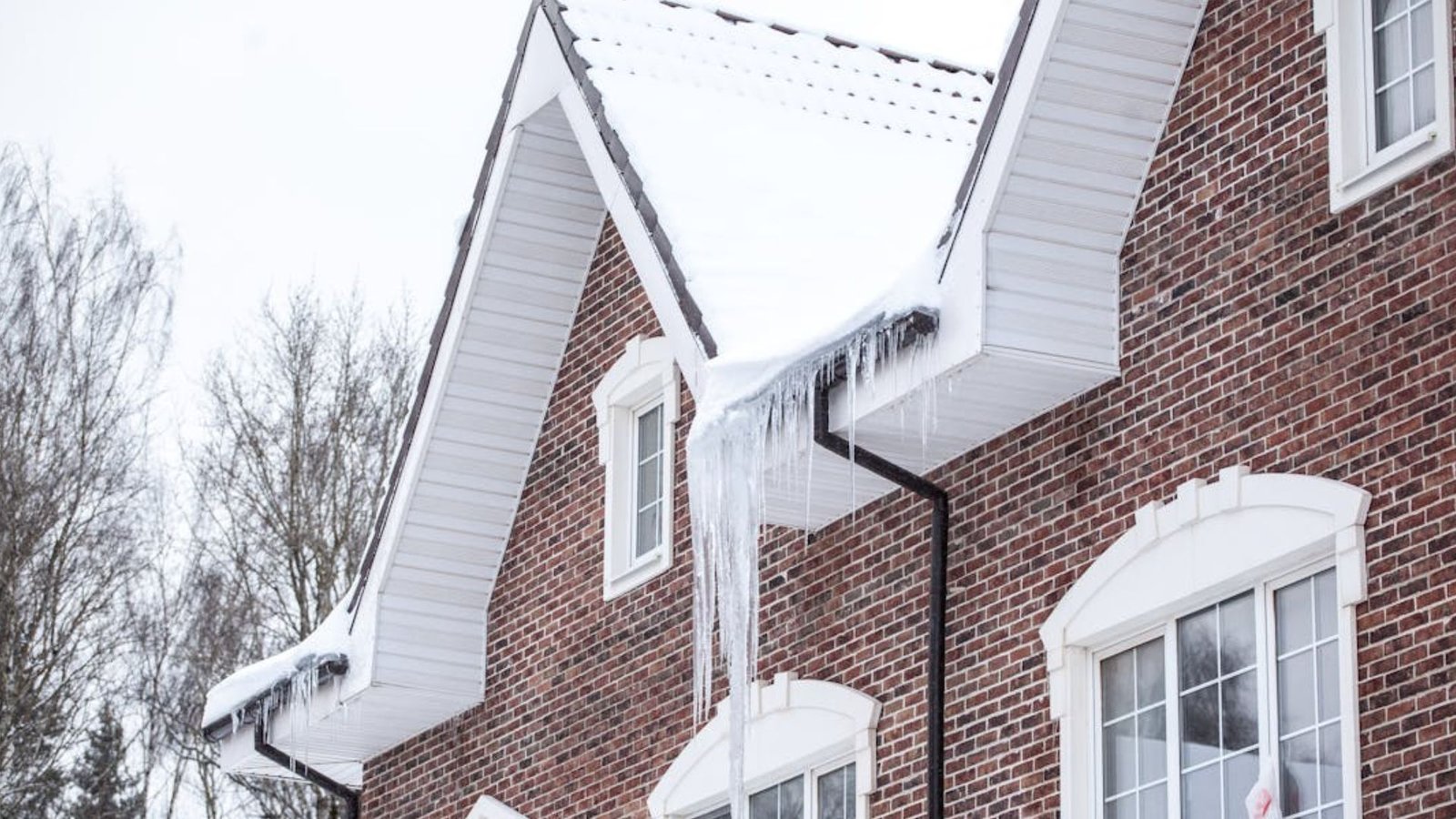
Your roof takes the hardest hit during winter, and small issues can quickly turn into serious damage once snow and ice settle in. Missing or cracked shingles allow moisture to seep underneath, where it can refreeze and expand. This often leads to leaks, rotting wood, and interior water stains. Before winter conditions intensify, it’s important to inspect your roof for visible wear, sagging areas, or loose flashing around chimneys and vents. Addressing these problems early reduces the risk of ice buildup and prevents water from entering your home when repairs become more difficult and costly.
Address Plumbing Issues Before Freezing Temperatures Hit
Cold weather places heavy strain on plumbing systems, especially when pipes run through unheated spaces. In areas like Pompton Lakes, freezing pipes are a common winter concern due to prolonged low temperatures. When water freezes, it expands and puts pressure on pipes, which can cause them to crack or burst. Warning signs such as reduced water flow, strange banging noises, or visible frost on pipes should not be ignored. If you notice these issues or deal with recurring plumbing problems, professionals like Benjamin Franklin Plumbing® of Pompton Lakes can assess the situation and help prevent serious damage before an emergency occurs.
Preventive steps include insulating exposed pipes, sealing air leaks near plumbing lines, and keeping indoor temperatures consistent.
Seal Drafts and Air Leaks Around the Home
Drafts may seem minor, but they greatly impact both comfort and heating costs during winter. Cold air often enters through gaps around doors, windows, and attic openings, forcing your heating system to work harder. Over time, this strain increases energy bills and shortens the lifespan of your equipment. Checking for drafts and sealing them with caulking or weatherstripping helps maintain steady indoor temperatures. Proper sealing also keeps moisture out, reducing the risk of condensation and mold growth during colder months.
Check Your Heating System for Performance Issues
A reliable heating system is essential once temperatures drop, and waiting until it fails often leads to stressful and expensive repairs. Before winter reaches its peak, turn on your system and pay attention to how it performs. Uneven heating, unusual sounds, or frequent cycling may signal underlying issues. Filters should be clean, and vents should remain unobstructed to ensure proper airflow. Addressing minor problems early helps your system run efficiently and reduces the chance of a breakdown during extreme cold weather.
Inspect Windows for Cracks and Poor Insulation
Windows often reveal their problems once temperatures drop, but waiting until then limits your options. Small cracks in the glass or worn seals around the frame allow cold air to enter and warm air to escape. This doesn’t just make the rooms uncomfortable; it also forces your heating system to work harder throughout the season. Condensation forming between panes or drafts near window edges usually point to insulation issues. Taking time to repair seals or replace damaged components helps stabilize indoor temperatures and reduces long-term energy strain without requiring a full window replacement.
Protect Exterior Walls and Siding From Moisture Damage
Exterior walls and siding serve as your home’s first line of defense against winter weather. When gaps, peeling paint, or warped panels appear, moisture can slip inside and settle beneath the surface. As temperatures drop, that trapped moisture freezes and expands, worsening the damage. Over time, this can weaken structural materials and invite mold growth. Sealing openings and repairing damaged siding before winter prevents water from getting in and protects the integrity of your home during repeated freeze and thaw cycles.
Check the Foundation for Cracks and Water Entry Points
Foundation issues rarely fix themselves, and winter conditions tend to make them worse. Even small cracks can allow water to seep in, where it freezes and expands. This pressure can widen openings and lead to uneven floors or damp basements. Inspecting the foundation for visible cracks or signs of moisture helps catch problems early. When you notice recurring water intrusion or cracks that seem to grow, a professional assessment becomes necessary to prevent further structural stress.
Inspect Chimneys and Fireplaces for Safety
Fireplaces offer warmth during winter, but they also require careful inspection to ensure safe operation. Cracks in the chimney, damaged liners, or blockages can restrict airflow and create safety hazards. Debris or buildup inside the flue reduces efficiency and increases the risk of smoke backing up into the home. Before relying on your fireplace regularly, checking for structural damage and proper ventilation helps ensure safe use throughout the season.
Prepare Outdoor Areas and Utilities for Cold Weather
Outdoor fixtures face constant exposure during winter, making them vulnerable to freezing and damage. Water lines connected to exterior faucets should be shut off and drained to prevent pressure buildup. Garden hoses need to be disconnected and stored to avoid cracking. Walkways, steps, and handrails also deserve attention, as loose materials become safety hazards when ice forms. Preparing outdoor areas early reduces repair needs once temperatures rise again.
Winter doesn’t usually cause problems on its own; it exposes what was already waiting to fail. Windows that leak air, siding that traps moisture, or foundations that let water through all respond poorly to freezing conditions. By addressing these areas before the season intensifies, homeowners gain control rather than reacting to damage after it spreads. The effort spent now creates a home that holds its warmth, resists moisture, and stays reliable even when winter pushes back hardest.