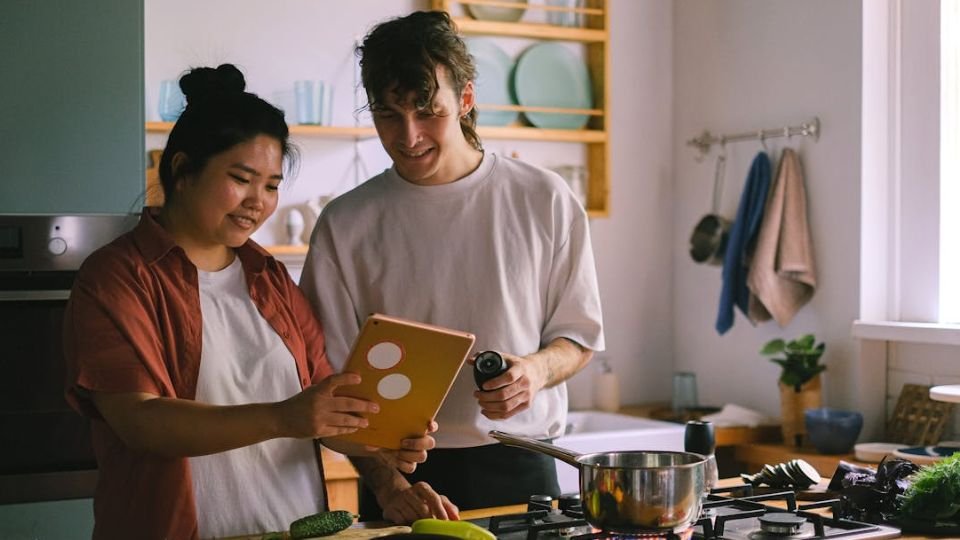
Have you ever wanted to cook a special meal but felt stressed before you even picked up a pan? Between busy schedules, rising grocery prices, and the pressure to make everything look perfect, cooking can start to feel like a chore instead of something enjoyable. The good news is that a meal can feel impressive without being complicated. In this blog, we will share how to cook something memorable while keeping it simple and calm.
Special Meals Are More About Planning Than Skill
A lot of people assume special meals require expert cooking skills. In reality, they require good timing and a little preparation. Most kitchen stress comes from chaos, not difficulty. When you are chopping onions while water boils over and the oven timer goes off, it feels like the kitchen is fighting you personally.
The first step is choosing a menu that matches your energy level. If you have had a long day, do not attempt a complicated dish with five sauces and three side dishes. The meal will not feel special if you are miserable the whole time.
A smart approach is to pick one “centerpiece” dish and keep everything else simple. This could be a roasted chicken, a pasta dish, a pan-seared salmon, or even a well-seasoned steak. The rest of the meal should support it, not compete with it.
Grocery shopping is part of stress management too. Shop earlier in the day if possible. Stores are calmer and shelves are more stocked. If you can, plan your meal two days ahead so you are not running around last minute.
Also, do not underestimate the power of prep work. Chop vegetables before you start cooking. Measure ingredients in advance. Set out your pans and tools. It sounds basic, but it makes cooking feel controlled instead of frantic.
Cooking becomes far easier when you treat it like a small project instead of a rushed event.
Build a Menu That Feels Thoughtful Without Being Complicated
A special meal does not need rare ingredients or expensive cuts of meat. It needs balance. A good meal usually includes something savory, something fresh, and something comforting.
For example, if your main dish is rich, pair it with a lighter side like roasted vegetables or a crisp salad. If your main dish is light, add something warm and filling like potatoes or rice.
This is also where simple “upgrade” dishes can add a special feel without adding stress. Many people enjoy classic baked sides because they feel cozy and elevated at the same time. You might come across ideas like how to make Swiss chard gratin while looking for dinner inspiration, and dishes like that are popular because they feel restaurant-style without requiring complicated techniques. Meals feel more memorable when there is at least one side that looks like you put extra thought into it.
Keep the menu realistic. If you are cooking alone, limit yourself to one stovetop dish, one oven dish, and one no-cook dish. That structure prevents timing issues.
A practical menu formula that works well is:
- One protein-based main dish
- One vegetable side
- One starch or bread option
- One simple dessert or fruit option
This creates variety without turning your kitchen into a disaster zone.
Use Cooking Methods That Do Most of the Work
The best way to cook something special without stress is to choose methods that allow you to step away. Roasting, baking, slow cooking, and simmering are all low-maintenance methods that produce impressive results.
Roasting is one of the easiest techniques for home cooks. Vegetables caramelize beautifully in the oven. Chicken develops crisp skin. Even simple ingredients taste richer when roasted properly.
Sheet pan meals are also underrated. You can cook a full dinner on one pan with minimal cleanup. Add olive oil, salt, pepper, and a few herbs, then let the oven handle the rest.
Slow cookers and Dutch ovens also make meals feel special. Braised dishes like pot roast or short ribs taste like you worked hard, even though the cooking process is mostly waiting. The aroma alone makes your home feel warm and inviting.
If you want a meal that feels elegant, focus on one cooking technique you can repeat confidently. Mastering one method beats attempting ten new ones at once.
Make Your Kitchen Setup Work for You
A stressed cook usually has an unorganized workspace. The kitchen becomes crowded, and ingredients get lost. Suddenly you cannot find the garlic powder, and the entire mood shifts.
Set up your kitchen before you start. Clear counters. Put trash bags in place. Keep a bowl nearby for food scraps. This reduces mess and keeps you moving smoothly.
Lay out ingredients in the order you will use them. This is a simple version of what professional kitchens do. It helps you avoid forgetting steps or scrambling to find items while food cooks.
Also, clean as you go. Wash cutting boards while something is baking. Wipe spills immediately. A clean kitchen keeps your mind calmer, and it prevents the end-of-meal cleanup from feeling like punishment.
Lighting and music matter too. Cooking feels less stressful when the environment feels comfortable. Turn on music you enjoy. Use warm lighting. Cooking is not only about food. It is about atmosphere.
Timing Is the Secret to Stress-Free Cooking
Most cooking stress comes from timing mistakes. People start too late, then rush everything. They also cook dishes that require constant attention at the same time.
A simple timing strategy is to start with anything that takes the longest. Roasted dishes go in the oven first. Slow simmering sauces begin early. Side dishes that can stay warm are prepared before last-minute items.
Leave final cooking steps for things that need to be served fresh, such as steaks, seafood, or salads. This prevents overcooking and keeps the meal tasting better.
If you are hosting, plan to finish cooking fifteen minutes before serving. That extra buffer allows you to breathe. It also allows you to fix small issues without panic.
Cooking feels far more enjoyable when you are not racing the clock.
Enjoy the Process Instead of Trying to Control Everything
Cooking a special meal is not about perfection. It is about creating a moment. People remember how the meal felt, not whether the vegetables were cut evenly.
Mistakes will happen. A sauce may reduce too much. Bread may brown too quickly. Something may get slightly overcooked. Most of these mistakes are not disasters. They are normal parts of cooking.
The best hosts are not the ones with perfect meals. They are the ones who stay calm and make guests feel comfortable.
When you cook with a relaxed mindset, the meal becomes enjoyable for everyone, including you.
A special meal does not require stress. It requires planning, simple methods, smart shortcuts, and a focus on flavor and presentation. When you build your menu around what you can handle confidently, you create a dinner that feels thoughtful and memorable without exhausting yourself.