Summer in New Orleans is not the kind of heat you can ignore. The air stays warm late into the night, and the humidity makes your home feel sticky even when the thermostat looks fine. That’s why HVAC problems show up fast this time of year. One small mistake can lead to rooms that never cool down, higher energy bills, or an AC that suddenly stops working when you need it most. The tricky part is that many of these issues come from things homeowners do with good intentions, like lowering the thermostat too much or shutting vents to “save air.” In this guide, we’ll walk through the most common summer HVAC mistakes and how to avoid them without overthinking it.
Ignoring Small Warning Signs
A lot of expensive HVAC repairs start with small clues. Homeowners often wait because the system still “sort of works.” But in summer, minor problems can grow quickly. If you notice warm air coming from vents, weak airflow, strange smells, or cycling on and off too often, don’t ignore it. Those signs can point to issues like restricted airflow, thermostat problems, dirty coils, or drainage trouble. Waiting can lead to a full breakdown during extreme heat. If you’re not sure what you’re hearing or feeling, it’s worth getting it checked. Homeowners often call experts like the ones at One Hour Air Conditioning & Heating® of New Orleans when they want a professional look before things get worse.
Turning the Thermostat Way Down
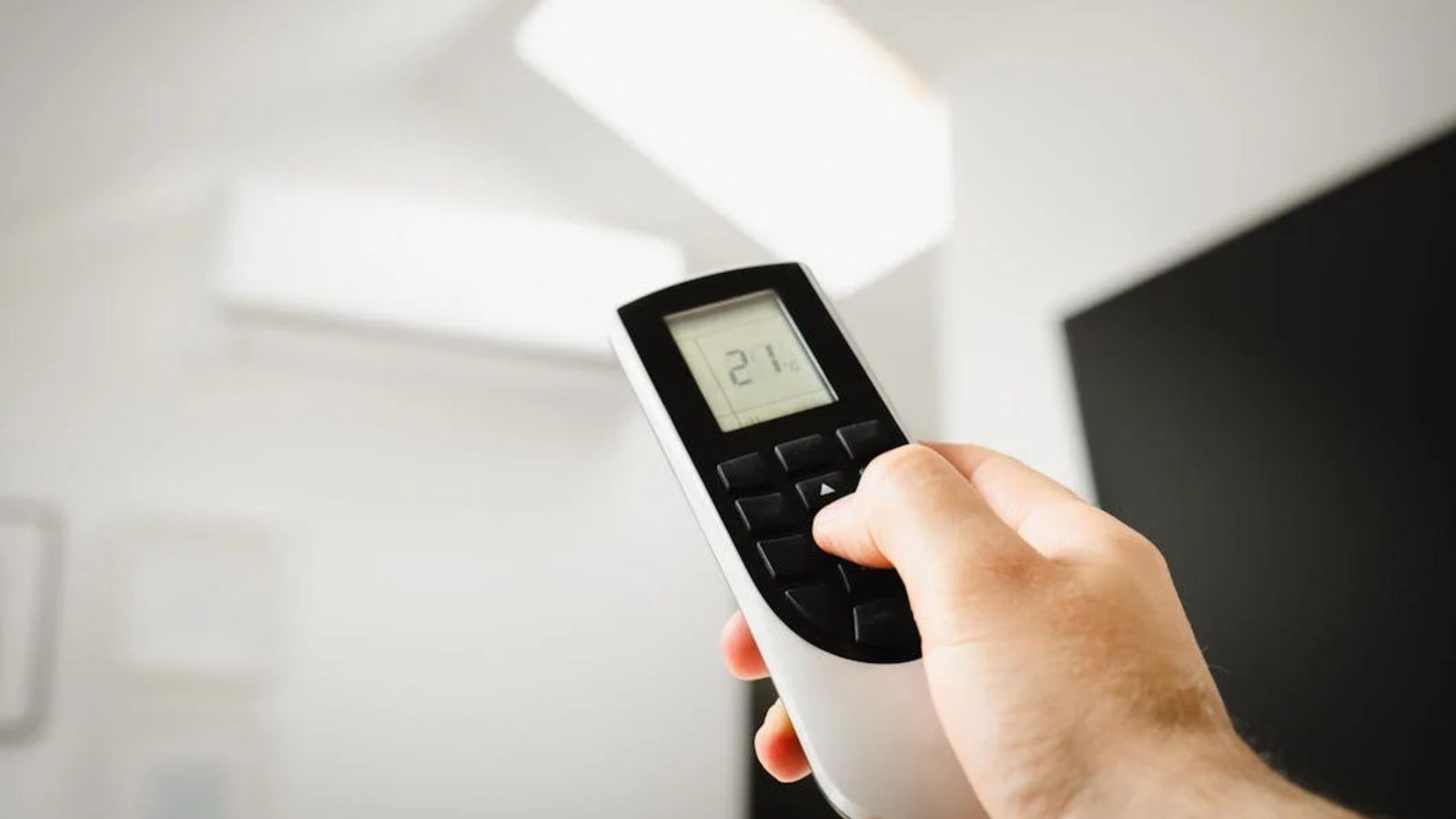
When your house feels hot and humid, it’s tempting to drop the thermostat as low as it will go. Many people do this because they think it will cool the home faster. In reality, your AC cools at the same pace no matter how low you set it. The only difference is how long it runs. If you set the temperature too low, your system may run nonstop and still struggle to keep up during peak heat. That can lead to higher bills and added stress on parts like the blower and compressor. Instead, aim for a temperature that feels comfortable and give your system time to work. Small changes usually work better than drastic ones.
Forgetting the Air Filter Matters
Your HVAC filter does more than catch dust. It also helps keep airflow moving the way it should. In summer, your system runs more often, which means the filter collects dirt faster. When the filter gets clogged, your AC can’t pull enough air through the system. That makes the house feel warmer, even if the unit keeps running. You might also notice weak airflow from vents, more dust around the house, or longer cooling cycles. Some homeowners wait until the filter looks “really bad,” but that’s usually too late. Checking it regularly during summer takes less than a minute and can prevent problems that cost a lot more later.
Letting the Outdoor Unit Get Smothered
The outdoor unit needs open space and clean airflow to get rid of heat. In summer, it’s easy for grass, weeds, leaves, and outdoor debris to build up around it. Some homeowners don’t think much of it until the AC starts struggling. When the outdoor unit can’t breathe, it has a harder time releasing heat, which makes cooling less effective. The system may run longer, cool more slowly, and use more power. It can also lead to more wear over time. You don’t need to do anything complicated. Just keep the area around the unit clear, trim plants back, and gently rinse off dirt buildup when needed.
Skipping a Tune Up Until It Breaks
Summer is the worst time to find out your AC has a problem. When homeowners skip maintenance, small issues stay hidden until the system gets pushed hard. A dirty coil can reduce cooling. A loose electrical connection can lead to shutoffs. A drain line can start backing up and create water damage. Most of these problems don’t happen overnight, but summer heat makes them show up fast. A seasonal tune-up helps catch issues early, keeps parts clean, and helps the unit run more smoothly. It also gives you a chance to ask questions before you’re stuck in an emergency situation. Scheduling service before the hottest weeks can save a lot of stress.
Using Exhaust Fans Too Much
Bathroom and kitchen exhaust fans help remove odors, smoke, and moisture. But if you leave them running too long in the summer, they can work against your AC. Exhaust fans push indoor air outside, and your home has to pull replacement air from somewhere. That can bring in hot, humid air through small gaps around doors, windows, and even duct leaks. In humid places, that extra moisture makes your home feel sticky and harder to cool. Use exhaust fans while cooking and showering, then turn them off once the air clears. If humidity stays high indoors, you may also need to check ventilation and AC performance.
Trying Risky DIY Fixes
It’s smart to handle easy HVAC tasks yourself, like replacing filters or clearing debris from the outdoor unit. But some DIY moves can create bigger issues fast. Using the wrong type of filter can restrict airflow. Taping duct leaks the wrong way can make them worse. Spraying cleaner into the wrong parts of the system can damage coils or wiring. Refrigerant problems also aren’t DIY safe, since handling refrigerant requires proper training and equipment. If your AC still won’t cool after basic checks, it’s better to stop there. A trained technician can test the system safely and find the real cause without turning a simple problem into a costly repair.
Most summer HVAC mistakes happen because homeowners try to stay comfortable, save money, or make quick fixes. The good news is that many of these problems are easy to avoid once you know what to watch for. Keep your thermostat steady, change filters regularly, and don’t block airflow around vents or the outdoor unit. Use exhaust fans wisely so you don’t pull in extra humidity. Pay attention to early warning signs and handle small issues before they turn into major repairs. Summer already puts enough pressure on your AC, so every smart habit helps. A little attention now can mean fewer breakdowns, better comfort, and a system that lasts longer.