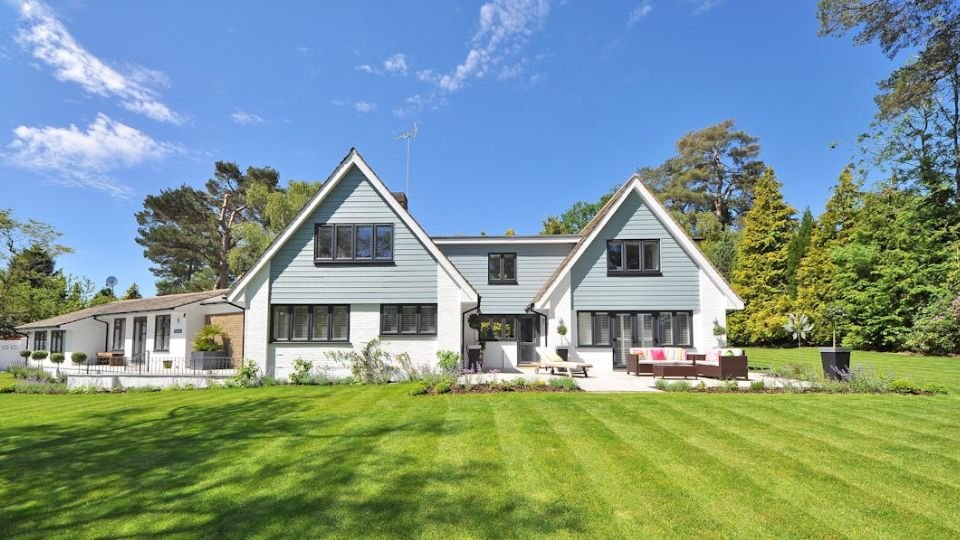
Why do some homes feel effortlessly in sync with the seasons, while others just feel off?
You walk into a house in January that still smells faintly of pine but somehow feels like summer. Or maybe it’s spring outside, but inside feels stuffy and disconnected. That sense of mismatch isn’t just about décor. It’s about how well a home adapts—not just to the weather, but to life’s rhythms throughout the year.
Seasonal design is more than switching throw pillows four times a year. It’s about aligning your home with how people actually live as the months change. Think of it as strategic flexibility—knowing how to use your space smarter so it works harder for you.
In a time when climate shifts are blurring traditional seasons and lifestyle trends are pushing for more multi-use spaces, smart design isn’t a luxury. It’s a mindset. In this blog, we will share what seasonal design really means, how it saves money and stress, and how to integrate solutions to support the shift year-round.
Why the Outside Still Shapes the Inside
Let’s start with the obvious: your exterior drives more than curb appeal. It influences everything from insulation performance to daily flow. And yet, landscaping is often treated as a spring project and ignored the rest of the year. That’s a mistake.
Homes that function seasonally understand how their surroundings affect indoor comfort. A home with poor drainage in winter or no shade in summer will feel the impact indoors. That’s where smart planning comes in. By working with reliable landscaping design services, homeowners can make intentional exterior upgrades that help the home transition with the seasons.
The best option here is to work with firms that understand microclimates and seasonal planting schedules. They’ll recommend shade trees that block July heat but let in winter sun. They’ll redirect water from walkways and doorframes to prevent icy hazards.
Beyond planting, consider how you use your yard year-round. Outdoor lighting shouldn’t stop at string lights for summer barbecues. Pathway lighting improves safety in darker months. Covered spaces help extend use into fall and early spring. And yes, that investment in evergreen structure or fire features isn’t just aesthetic. It keeps your space functional no matter the season.
Design for Shifting Light, Not Just Weather
Many people only think about heating or cooling when seasons change. But light is just as critical. A home designed to adapt to seasonal light patterns feels better to be in. That’s not a metaphor. It’s a measurable difference in energy use, comfort, and even mood.
South-facing windows, for example, can flood a room with warmth in winter—if the window treatments allow for it. In summer, those same windows need shade solutions like solar mesh screens or insulating blinds. Skylights can brighten gloomy seasons, but they should be vented to release heat in August.
Smart homeowners don’t just decorate with light. They design around it. They choose materials that reflect or absorb based on need. They orient key living spaces around natural cycles. Even something as simple as choosing layered window coverings can help a room perform differently at different times of year. That flexibility creates a home that feels good, not just looks good.
Zones Aren’t Just for Open Floor Plans
The idea of “zoning” gets tossed around a lot in design circles, especially when talking about open-concept living. But seasonal zoning is its own smart layer. It means knowing which parts of your home should work harder in each season—and designing them to do so.
Your living room might be a cozy gathering spot in winter and a breezy pass-through in summer. Your guest room might double as a holiday overflow zone, then return to home office status in spring. Rather than fighting these shifts, embrace them.
This is where modular furniture, portable storage, and flexible lighting plans become more than style choices. They’re tools. A reading lamp that travels with the armchair. A desk that folds away when company comes. Even the way rugs are rotated or stored can change how a room reads in July versus December.
Maintenance That Makes Transitions Easier
Here’s a rarely acknowledged truth: seasonal design works best when paired with seasonal maintenance. You can have the perfect insulated curtains and a stunning fall color palette, but if your gutters are overflowing, the vibe is still chaos.
The smartest homeowners build small habits into their seasonal shifts:
- Schedule HVAC filter changes with the equinox
- Rotate mattress directions and vacuum under beds at the same time
- Touch up door weather stripping every fall
- Clean and store outdoor cushions instead of letting weather destroy them
- Review appliance efficiency and unplug what you don’t need over winter
These little rituals add up. They make seasonal transitions smoother, which in turn makes the home feel intentional rather than reactive. And they help catch problems early, before they become costly.
Design With Mood in Mind
There’s a growing awareness around mental health in home design. It’s not enough for a space to look seasonal. It has to feel good to live in during that season.
That means choosing warm, textured surfaces in cold months. Bringing in calming colors when life speeds up. Creating spaces that allow both togetherness and escape.
A big part of this is sensory balance. Does the air smell different in summer than in winter? Are there spots where light lingers too long or disappears too early? Consider things like essential oil diffusers that shift with the season, or a reading nook that becomes a sun trap in January.
Even sound matters. Heavy curtains or fabric wall panels in winter can dampen noise, creating a quieter retreat. A ceiling fan in summer isn’t just practical—it can also become part of the soundscape that signals rest.
In the end, smart homeowners don’t chase perfection. They plan for change. They build homes that welcome the seasons, not resist them.