In today’s connected world, understanding the intricacies of router IPs like 10.10.10.1 has become essential for both home users and IT professionals. While it might look like a random set of numbers, this private IP plays a crucial role in managing network devices. Whether you want to configure your router, enhance security, or troubleshoot connectivity issues, knowing how to access and use 10.10.10.1 is key.
What is 10.10.10.1?
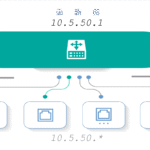
10.10.10.1 is a private IP address often used as the default gateway for certain routers. Unlike public IP addresses visible on the internet, this IP is reserved for internal network communication. It acts as a portal to your router’s administrative interface, where you can manage Wi-Fi settings, monitor connected devices, and update security configurations.
Private IPs like this are non-routable on the internet, meaning they are specifically for internal networks. This ensures that your local network operates independently of your ISP-assigned public IP address, keeping internal communications private.
Why You Might Need Access
Accessing 10.10.10.1 allows you to:
- Change Wi-Fi Names and Passwords – Personalizing your network enhances security and makes it easier to identify devices.
- Configure Firewall and Security Settings – Protects your network from unauthorized access.
- Update Firmware – Ensures the router runs efficiently with the latest features.
- Monitor Network Traffic – Identify devices consuming excessive bandwidth.
I remember once helping a friend troubleshoot slow internet at home. Simply logging into their router through 10.10.10.1 revealed a device hogging bandwidth, and adjusting the settings restored their speed instantly.
How to Access 10.10.10.1
Accessing 10.10.10.1 is straightforward:
- Connect your computer or smartphone to the router via Wi-Fi or Ethernet.
- Open a web browser.
- Enter
http://10.10.10.1in the address bar. - Log in with the default credentials (usually printed on the router or in the manual).
Tip: If the default login has been changed and forgotten, a factory reset may be necessary. Be cautious, as this erases all previous configurations.
Common Issues and Solutions
Even with a simple process, users often face hurdles. Some frequent issues include:
- Cannot Access the IP: Ensure your device is connected to the correct network. Verify the router’s gateway IP using the command prompt (Windows:
ipconfig, Mac/Linux:ifconfig). - Forgotten Credentials: Check the router label or documentation. If lost, consider a factory reset.
- Browser Problems: Clear your cache or try a different browser.
-
Case Study: Troubleshooting and Configuration Using 10.10.10.1
Imagine setting up a small office network. The IT administrator assigns 10.10.10.1 as the main router IP. Each workstation connects through this gateway to access shared drives and the internet. By monitoring traffic via 10.10.10.1, the administrator can ensure no device consumes excessive bandwidth, avoiding downtime during crucial hours. This practical scenario illustrates why understanding your router’s IP is not just technical—it directly impacts productivity.
Comparison Table: 10.10.10.1 vs Other Common Private IPs
| Feature | 10.10.10.1 | 192.168.1.1 | 172.16.0.1 |
|---|---|---|---|
| Common Usage | Certain routers | Home routers | Corporate LANs |
| Security Level | Medium | Medium | High |
| Ease of Access | Easy | Easy | Moderate |
| Default Admin Login | Often admin/admin | Often admin/admin | Varies |
| Network Size Support | Small to Medium | Small | Medium to Large |
This table helps illustrate why choosing the right IP scheme matters. For home users, 10.10.10.1 is simple and efficient, while larger corporate networks may prefer more complex ranges.
Security Tips for 10.10.10.1
- Change Default Passwords: Never leave your admin credentials as the default.
- Enable WPA3/WPA2 Encryption: This ensures your Wi-Fi traffic is protected.
- Regular Firmware Updates: Prevent vulnerabilities by keeping the router updated.
- Disable Remote Admin Access: Unless absolutely needed, prevent external logins.
Personal Experience
When I first configured my home network, I was overwhelmed by the array of settings in the 10.10.10.1 dashboard. Spending an afternoon exploring the options taught me the importance of network security and optimization, and since then, I’ve consistently applied those practices to avoid downtime and unauthorized access.
Also Read: Understanding 10.5.50.1: IP Insight & Practical Guide
Conclusion
Mastering access to 10.10.10.1 is not just a technical exercise—it empowers you to control, protect, and optimize your network. From simple password changes to monitoring traffic and updating firmware, the ability to log in gives you complete command over your router. By understanding common issues, security best practices, and real-world applications, anyone can manage their home or small office network efficiently.
FAQs
Q1: Is 10.10.10.1 safe to use?
Yes, it’s a private IP address used internally in your network. Ensure admin credentials are strong to maintain security.
Q2: What if I cannot access 10.10.10.1?
Check your device connection, verify the IP, and try a different browser. A factory reset may be required if login credentials are forgotten.
Q3: Can multiple devices use 10.10.10.1?
Yes, it serves as a gateway for all devices on the same network, directing traffic and providing access to router settings.
Q4: How do I find the admin password?
Check the router label, manual, or online documentation. If lost, a factory reset restores default credentials.
Q5: Can 10.10.10.1 be changed?
Yes, most routers allow changing the default IP in the network settings. Ensure all devices update their gateway settings accordingly.