The room feels warmer than it should, even though the air conditioner has been running for hours, and you start to notice it more when you sit still. It is not dramatic at first. Just a slight discomfort, then a quiet thought that something is off, and then you keep adjusting the thermostat like that might fix it.
People who work around cooling systems see this pattern all the time. Small changes get ignored because they do not seem urgent, and systems rarely fail all at once. They drift, they struggle, and they give signals long before anything actually stops. The problem is that those signals are easy to miss or easy to put off.
When Small Cooling Problems Start to Add Up
Air conditioning systems are built to handle stress, but they are not designed to hide problems forever. When airflow changes slightly, or when the system starts cycling more often than usual, it usually means something deeper is starting to shift. It could be a blocked filter, a worn part, or something electrical that is not working as cleanly as before.
Most homeowners and even some business owners tend to wait until the system stops completely, because that is when the issue becomes obvious. But in reality, by the time the unit shuts down, the repair is often bigger, more expensive, and harder to manage quickly.
There is also a timing problem that shows up again and again. Systems tend to fail during the hottest days, when they are under the most pressure, which means service delays can happen. That is why early attention matters more than people think. In many cases, people begin looking into professional support only after multiple warning signs have already appeared.
Why Early Attention Matters
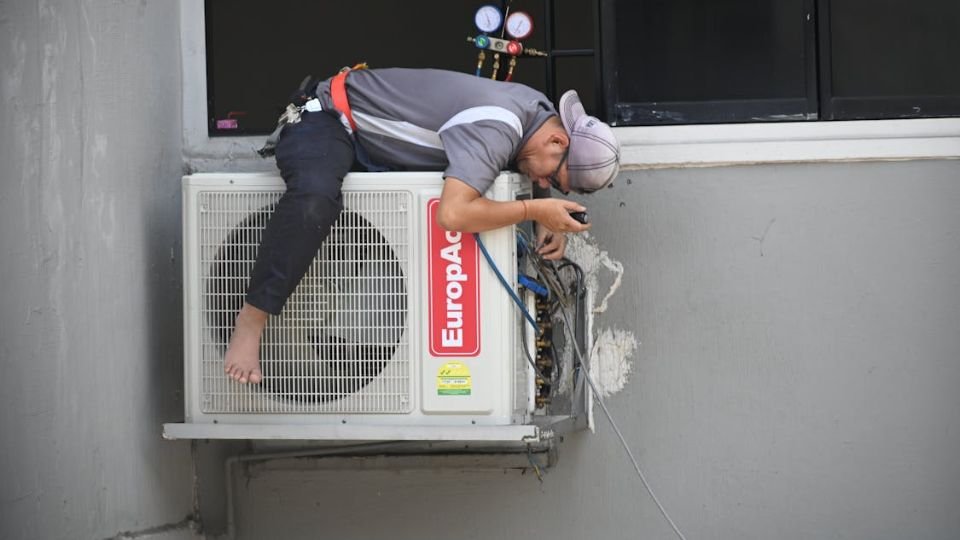
Most people call professionals for HVAC repair services after a stretch of time where the system is trying to cope on its own. It runs longer cycles, struggles to maintain temperature, and sometimes creates subtle signs like uneven cooling or light noises. These are not failures yet, but they are not normal either.
By the time people seriously consider outside help, the issue has often been building for days or even weeks. Looking into HVAC repair services at that stage becomes less about maintenance and more about damage control, which is where costs and downtime start to rise in ways that could have been avoided.
Warning Signs You Should Not Ignore
Your system will warn you, sometimes in obvious ways and other times, subtly. You need to learn to identify these signs at the right time.
- Weak or Uneven Airflow
One of the earliest signs is weak airflow coming from the vents. It does not always feel urgent, and that is why it gets ignored. You might notice one room feels fine while another stays warm, or that the air coming out is softer than it used to be. This can point to blocked ducts, failing fans, or clogged filters. None of these issues fix themselves, even though people often hope they will.
- Strange Noises That Were Not There Before
Air conditioners are not silent, but they are consistent. When new sounds appear, like rattling, buzzing, or a kind of low grinding noise, something inside has changed. Loose components, motor issues, or debris in the system can all cause this. It might still run, but not in a stable way.
- Warm Air Instead of Cool Air
If the system is blowing air that feels warm or just not cool enough, it usually means the cooling cycle is not working properly. This could be due to low refrigerant, compressor issues, or even thermostat problems. People often adjust the temperature setting again and again, but that rarely solves the root issue.
- Frequent Cycling
A unit that turns on and off too often is under strain. It is trying to reach the set temperature but cannot maintain it. This constant cycling wears down parts faster and increases energy use. It also tends to get worse over time, not better.
- Rising Energy Bills Without a Clear Reason
When usage stays the same, but bills go up, the system is likely working harder than it should. This usually means reduced efficiency, often caused by internal wear or blocked airflow. It is not always obvious right away, but over a few months, the pattern becomes clear.
- Unusual Smells
A mild smell when the system starts is not unusual, but strong or persistent odors are a concern. A musty smell can suggest mold in the ducts, while a burning smell may point to electrical issues. Both should be taken seriously, even if the system still seems to be working.
- Moisture or Leaks Around the Unit
Water pooling near the unit or visible moisture is not normal. It could be a blocked drain line or a refrigerant leak. Refrigerant leaks, in particular, are more serious and need attention quickly. Ignoring this can lead to damage beyond the air conditioning system itself.
- Thermostat Not Matching Actual Temperature
If the thermostat says one thing but the room feels completely different, there is a disconnect somewhere. It could be the thermostat itself, or it could be the system failing to respond correctly. Either way, it means the control system is not reliable.
- Longer Cooling Times
When it takes much longer to cool a space than it used to, something is slowing the system down. This might be due to aging components, airflow restrictions, or internal inefficiencies. It is often gradual, which is why people adjust to it instead of questioning it.
- The System Is Simply Getting Old
Age is not a sudden problem, but it changes how the system behaves. Older units tend to lose efficiency, require more frequent repairs, and struggle during peak demand. At some point, repeated small fixes start to add up, and the system becomes less predictable.
What makes all of this tricky is that none of these signs feel urgent on their own. They show up quietly, and life keeps moving, so people delay action. Then one day the system stops, usually at the worst possible time, and everything becomes urgent all at once.
Paying attention earlier does not always mean avoiding repairs entirely, but it usually means smaller problems, lower costs, and less disruption. It also gives you time to make decisions instead of reacting under pressure, which is where most people end up making the wrong call.