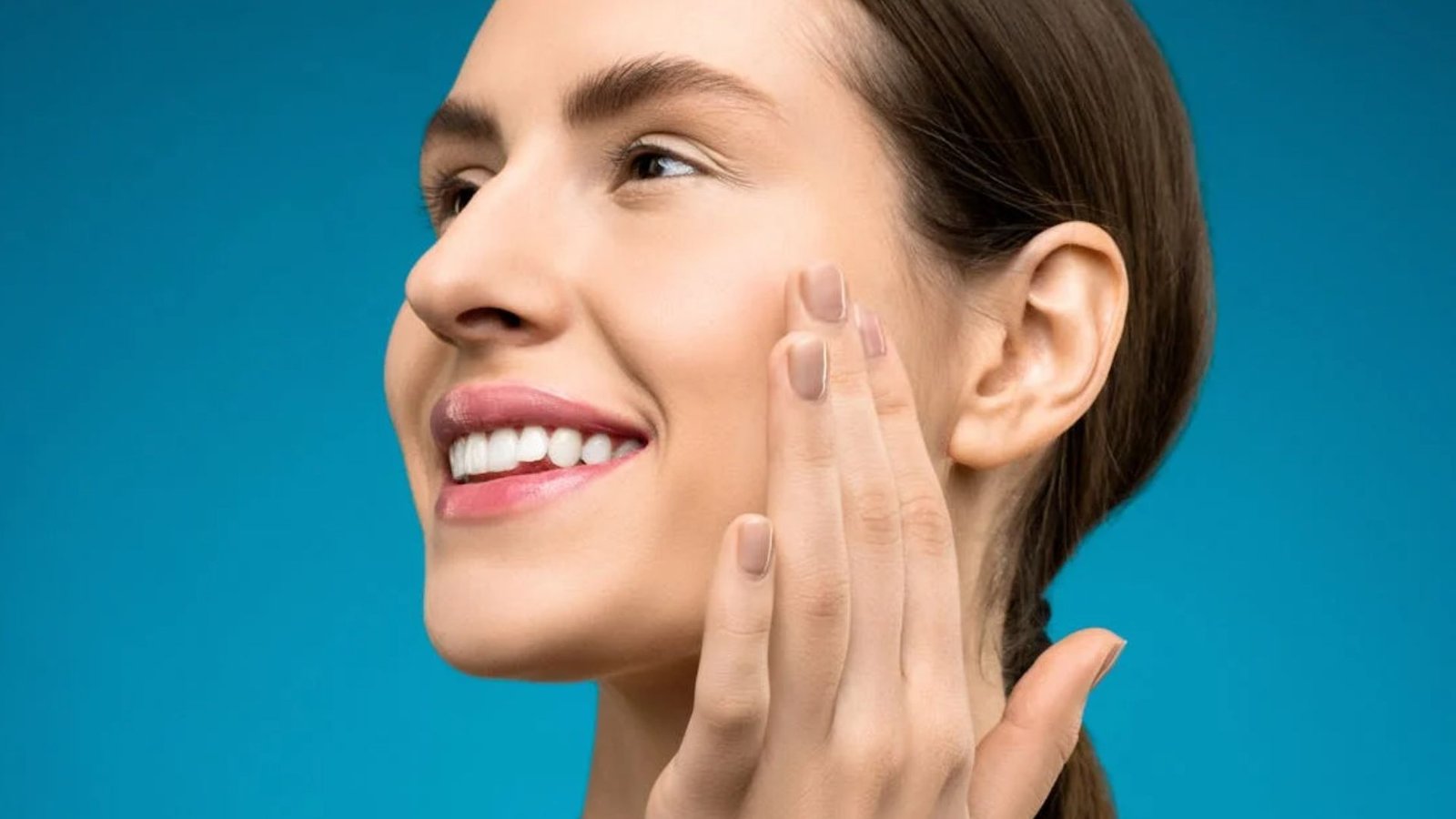
Have you noticed how quickly a smile shapes your opinion of someone? In a visually driven world like ours—especially in dynamic communities like Michigan City, where tourism, small business, and close-knit neighborhoods intersect—first impressions still carry real weight. Whether you’re chatting with a local shop owner, meeting a new client, or jumping into a Zoom call from your home office, your smile often speaks before you do. And today, teeth play a bigger role than ever in how we express confidence, warmth, and even trust.
In this blog, we will share how smiles communicate meaning, why oral health plays a bigger role than many realize, and how thoughtful choices can help your smile say what you want it to say before you ever speak.
What Your Smile Signals Without Saying a Word
A smile is not just about teeth. It is about alignment, color, and ease. When teeth look healthy, people often assume the person is well cared for and confident. That assumption is not always fair, but it is very real.
Psychologists have long studied facial cues. Smiles rank high in how humans judge approachability. In job interviews, studies show candidates who smile naturally are seen as more capable and friendly. In social settings, smiles help people feel safe and welcomed. Teeth play a quiet but important role in all of this.
Small details matter. Chipped edges, heavy staining, or uneven spacing can pull attention in ways you may not want. On the other hand, balanced teeth help the rest of your face relax. That relaxed look reads as calm and self-assured. This is why oral health has moved beyond hygiene and into self-presentation.
Why Cosmetic Dentistry Is No Longer Just Cosmetic
Dentistry has changed. It is no longer only about fixing pain or decay. It now sits at the intersection of health, design, and psychology. People want smiles that function well and look natural, not artificial or overdone.
If you’re thinking about smile makeovers in Michigan City, you can find providers offering a wide range of options, but it pays to move carefully. And choose a practice that starts with a free consultation and explains each step clearly before any work begins. A good dentist should ask questions, review your bite, and talk about long-term care, not rush you into decisions.
This shift is part of a larger trend in healthcare. Patients want to understand their choices. They want transparency and personalization. Cosmetic dental work today often includes whitening, bonding, veneers, or alignment, but the best plans are built around function first. Teeth should work well before they look better.
The Social Media Effect on Smiles
There is no avoiding it. Cameras are everywhere. Front-facing cameras especially have made people more aware of their smiles from every angle. This has fueled interest in cosmetic improvements, but it has also raised unrealistic expectations.
Filters smooth and brighten teeth in seconds. Real life does not work that way. The goal is not to chase a filter look. It is to create a smile that fits your face and your life. Dentists now talk more about harmony than perfection.
A healthy smile should match your age, skin tone, and facial shape. Oversized or overly white teeth often stand out in the wrong way. Subtle changes usually have the biggest impact. Think even edges, consistent color, and a bite that feels comfortable.
Oral Health and Daily Confidence
Confidence shows up in small moments. Laughing without covering your mouth. Speaking clearly. Smiling in photos without hesitation. These moments add up.
Good oral health supports all of this. Regular cleanings, daily brushing, and flossing keep gums healthy and breath fresh. These basics make any cosmetic work last longer and look better. Skipping them undercuts everything else.
Diet matters too. Sugary drinks, constant snacking, and acidic foods wear down enamel over time. Drinking water, chewing sugar-free gum, and spacing meals help protect teeth. These habits are simple but powerful.
Choosing Improvements That Make Sense
Not everyone needs major changes. Sometimes whitening alone makes a big difference. For others, small bonding repairs can smooth chips or gaps. Alignment tools can gently shift teeth without braces. The key is matching the solution to the problem.
Ask questions. How long will it last? What maintenance is required? Will it affect chewing or speech? A responsible dentist will welcome these questions. They should also explain what happens if you do nothing at all.
So, what’s the bottom line here? A smile should support your life, not distract from it. It should feel natural—something that moves with quiet confidence. When your teeth are healthy, balanced, and easy to maintain, you stop thinking about them. And that kind of ease is the real win.