Key Takeaways
- Creative classroom activities fuel engagement and cultivate lifelong learning habits, helping students to build positive attitudes toward education that last well beyond fourth grade.
- Hands-on experiences boost problem-solving, teamwork, and independent thinking by allowing children to tackle challenges, collaborate with others, and learn from both successes and mistakes.
- Incorporating movement, art, and music harnesses multiple intelligences, supporting students’ emotional development and fostering holistic growth throughout the year.
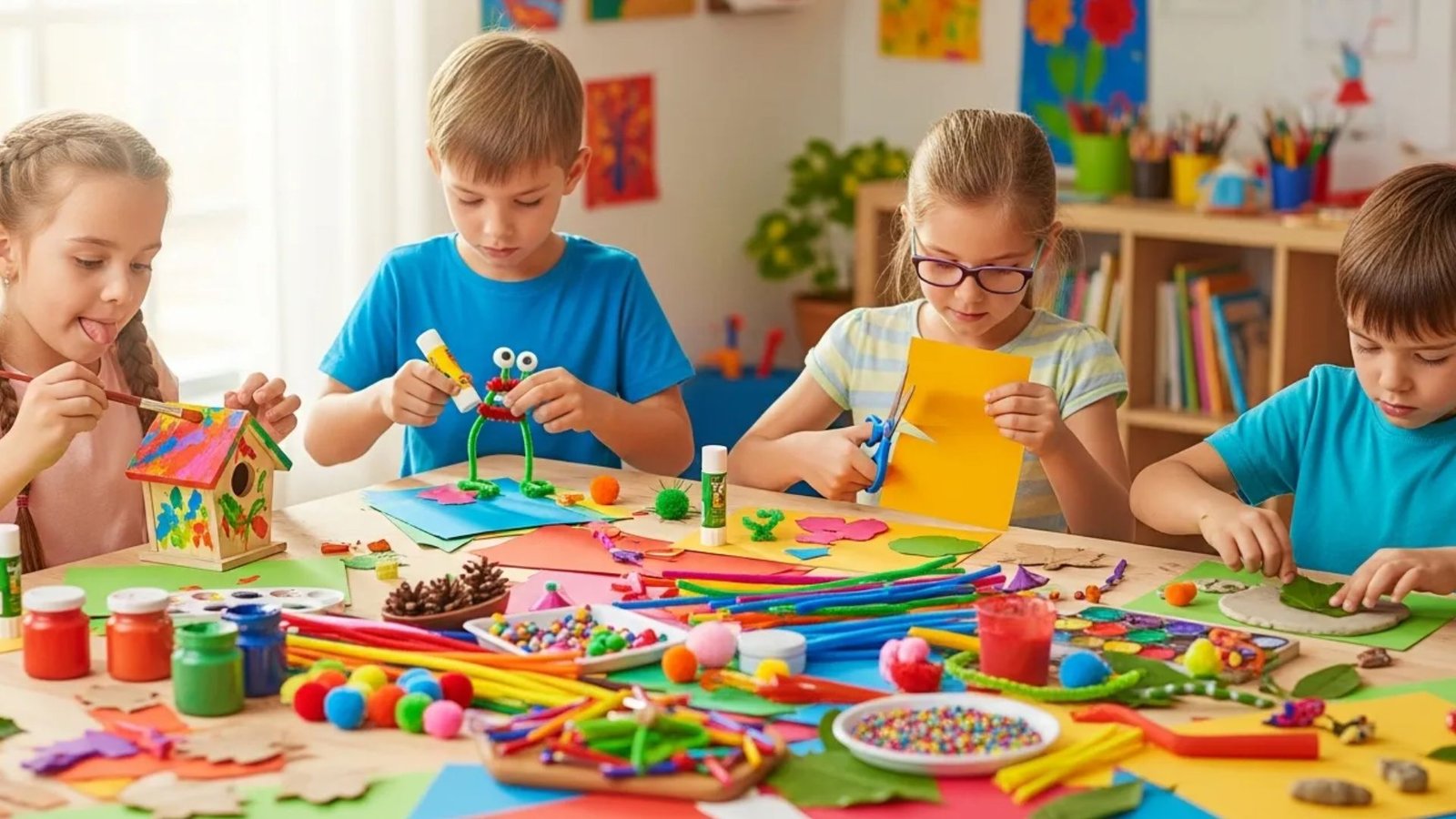
In fourth grade, students explore the world through hands-on experiences beyond textbooks. They crave applying knowledge in meaningful ways using their senses and imagination. Creative activities make lessons enjoyable, enhance cognitive development, and build problem-solving skills. Projects that encourage experimenting, inventing, and decision-making prepare children for future challenges and foster a love of learning. For educators looking for fresh ideas to ignite student enthusiasm and enhance 4th grade writing and expression, exploring new and varied learning experiences is key. These creative experiences help students connect concepts to real life and develop critical social skills along the way.
By integrating creative projects into the curriculum, teachers support different learning styles and keep students engaged. These activities empower learners to take ownership—making decisions, solving problems, and reflecting. As they experiment, students develop pride in their achievements and learn the importance of teamwork, open-mindedness, and curiosity. Creative tasks also allow children to express themselves, appreciate classmates’ perspectives, and create lasting memories.
Crafting Recycled Masterpieces
Challenge students to transform recycled and everyday items—like plastic bottles, cardboard, and fabric scraps—into artistic creations that reflect their personalities or classroom themes. This project not only teaches the principles of sustainability but also allows young minds to envision new uses for familiar objects, reinforcing that creativity can arise from the simplest materials. Encourage students to brainstorm before creating, sketch their designs, and present their finished works to the class. Not only will this process cultivate communication and public speaking skills, but it will also build confidence as students discuss what inspired their projects. To extend learning, connect these activities with lessons on environmental science and the importance of waste reduction. Students may even choose to display their art in a classroom gallery, inviting family and staff to celebrate their innovation and effort.
Designing Personalized T-Shirts
Let students unleash their imaginations with a t-shirt designing project using fabric markers and paints. Encourage them to develop logos, craft positive messages, or illustrate their favorite moments from recent books, field trips, or science experiments, reinforcing concepts from language arts and social studies. This activity reinforces the importance of planning, as students draft ideas and revise sketches before adding their designs to fabric. The process nurtures self-expression, patience, and attention to detail as students move through each stage from concept to completion. Teachers can spark meaningful classroom conversations by having students explain the symbolism behind their designs, thereby deepening self-awareness and respect for one another’s perspectives. Completed shirts can be worn for special school spirit days or class events, fostering a sense of community and belonging.
Building Cardboard Playhouses
Provide students with large cardboard boxes, tape, and art supplies to build playhouses, habitats, or structures inspired by storybooks and social studies. Working in teams, children practice collaboration, planning, and spatial reasoning to transform simple boxes into creative masterpieces. Roles like designers, builders, and decorators foster responsibility and help students discover their strengths. This activity builds confidence in cooperation and persistence. Teachers can extend it by having teams present their playhouses and share their stories and inspirations. It can also tie into math lessons on geometry or social studies about global communities.
Creating Handmade Musical Instruments
Bring together the magic of music and the fun of crafting by guiding students to make simple musical instruments from common household or classroom materials. From tambourines made from paper plates to maracas using plastic eggs and rice, children can experiment with rhythm, sounds, and patterns while learning about the properties of materials and basic scientific concepts. Encourage students to decorate their instruments and then compose simple rhythms or songs as a group, helping them understand how music can be both an art and a science. Teachers can also use this as a bridge to introduce lessons about sound waves, global musical traditions, or the role of music in celebrations and cultures. Performing together as a class band helps students appreciate each person’s contributions and strengthens bonds within the group.
Assembling Solar-Powered Toys
Introduce students to renewable energy by guiding them in assembling solar-powered toys or kits. This project combines science and creativity, giving hands-on experience in green technology and sparking interest in sustainability. Students can discuss solar energy, test how sunlight and shade affect movement, and suggest design improvements. Encourage outdoor testing, recording results, and considering environmental impact. Teachers can relate this to lessons on climate change, energy conservation, and technology’s future. This activity fosters inventors and environmental stewards, broadening students’ view and inspiring ideas for clean energy in their communities.
Baking Delicious Treats
Baking simple treats in class provides a multi-sensory learning experience that is both enjoyable and educational. Students learn about following instructions precisely, using accurate measurement, and the science behind baking transformations, such as how heat causes ingredients to rise and flavors to develop. This activity also serves as a practical lesson in nutrition, allowing teachers to discuss healthy ingredient swaps, balanced diets, and the cultural significance of various baked goods. Teachers can incorporate math concepts, such as fractions or elapsed time, as students measure and monitor their recipes.
Decorating Cupcake Masterpieces
After baking, students can decorate cupcakes using icing, fruit, and colorful toppings of their choice. This activity nurtures artistic talents, pattern recognition, and fine motor skills, while encouraging children to express themselves visually. Encourage children to design around a theme—such as nature, holidays, or class reading books—and share their creations as part of a friendly showcase, celebrating their collaboration and patience. Teachers may also engage students in judging or voting for creative categories, such as “most original design” or “best teamwork,” to boost self-esteem and create a joyful sense of accomplishment in the classroom.
Preparing Healthy Snack Packs
Empower students to make healthy choices by assembling their own snack packs from options like fruits, nuts, whole-grain crackers, and cheese. This activity is an excellent opportunity to introduce the concept of balanced eating, refresh knowledge of food groups, and discuss portion control, as well as personal responsibility for overall well-being. Encourage students to reflect on their snack choices and present on what makes a good snack for growth and energy—offering helpful tips that can be applied to their daily routines. Making healthy snacks creative and fun also increases the likelihood that students will practice positive eating habits at home, supporting long-term wellness.
Conclusion
Providing fourth graders with opportunities to create, design, and experiment through engaging projects not only supports academic achievement but also develops well-rounded, curious, and motivated learners. By embedding creativity into every corner of the classroom—from art and science to nutrition and teamwork—teachers help children thrive both inside and outside the classroom, preparing them for a lifetime of ingenuity and problem-solving. Ultimately, these experiences foster confidence, build community, and encourage the next generation of thinkers and creators to dream big and embrace learning in all its forms.