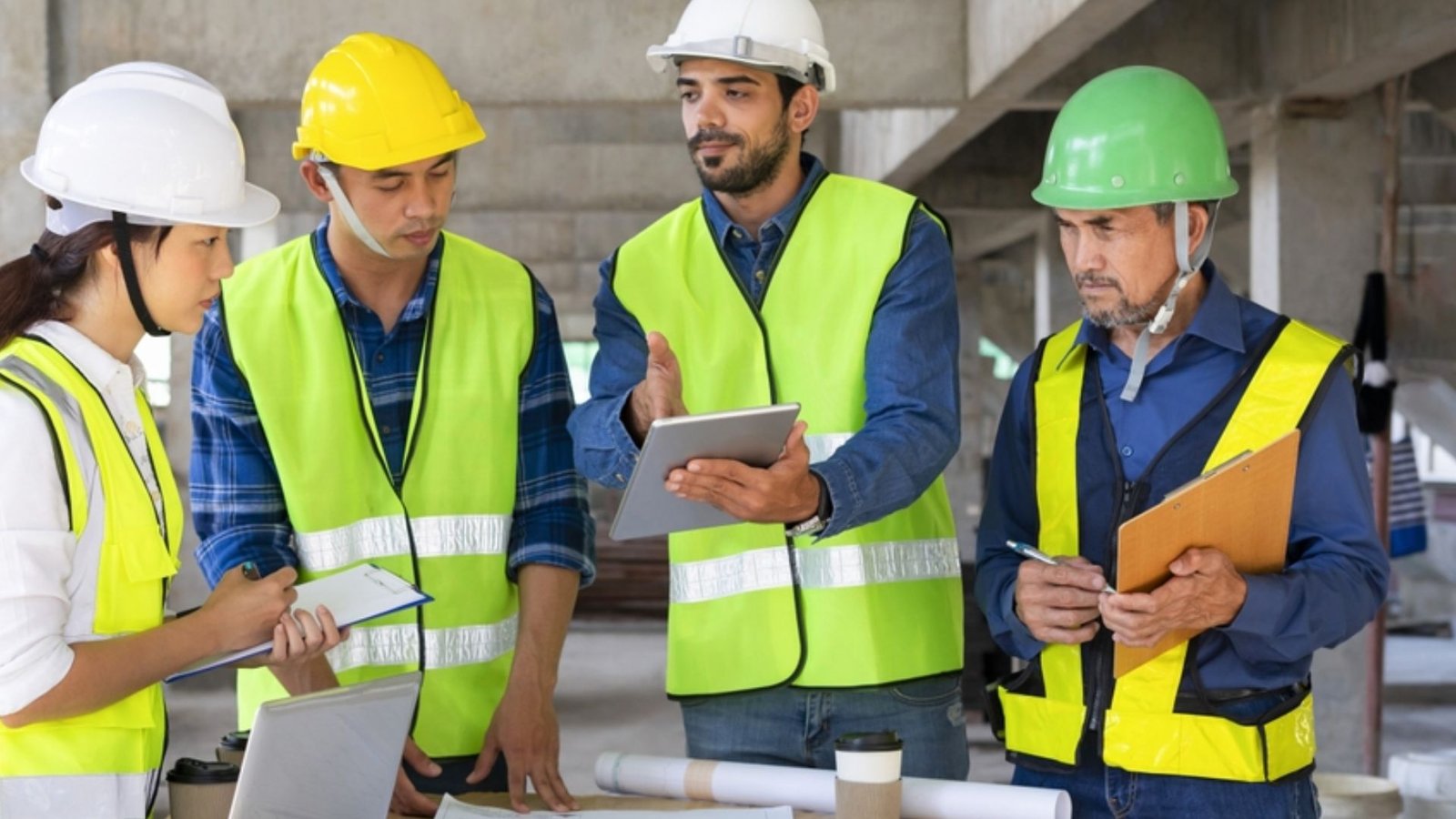
Building stronger construction teams involves more than just gathering skilled workers; it requires deliberate strategies to promote teamwork, safety, and ongoing workforce growth. As projects become larger and more complex, companies need to focus on cultivating effective team dynamics, enhancing communication, and encouraging flexibility. When teams work well together, they improve project results and also develop a more stable and motivated workforce that can adapt to changing industry needs.
A practical approach to strengthening teams involves investing in training, skill development, and hands-on learning opportunities. Programs like the ABC Heart of America training program offer structured pathways that help workers develop essential competencies, supporting overall team performance. Integrating well-designed training initiatives encourages continuous improvement without being tied to any specific location or organization. By prioritizing education and ongoing development, construction leaders can create resilient teams equipped to navigate challenges, embrace innovation, and contribute to long-term industry success.
Effective Communication
Successful construction teams rely on open and transparent communication. A study by Michigan State University shows that teams with robust internal communication can better solve problems, exchange knowledge, and respond to project changes. By analyzing internal networks using digital tools and email data, managers can spot bottlenecks and promote a culture of open information flow among field crews, office staff, and leaders. These enhancements improve resilience and allow for quick adjustments when unexpected issues arise.
Embracing Diverse Leadership Styles
Modern construction teams thrive by leveraging a mix of leadership approaches. According to the National Center for Construction Education and Research (NCCER), transformational leadership promotes higher levels of engagement, job satisfaction, and innovation. Female leaders in construction often exemplify this style, excelling at mentorship, empathetic guidance, and motivating teams to go beyond traditional boundaries. Championing diversity among project supervisors and encouraging a wide range of management techniques helps create robust, inclusive teams that outperform less diverse counterparts in overall efficiency and innovation.
Establishing Collaborative Norms
Construction projects benefit greatly when team interactions are structured around proven collaborative norms. The “7 Norms of Collaboration”—Pausing, Paraphrasing, Posing Questions, Putting Ideas on the Table, Providing Data, Paying Attention to Self and Others, and Presuming Positive Intentions—facilitate open dialogue, constructive feedback, and creative problem-solving. Adopting these principles has been shown to boost project efficiency by as much as 35%. Leaders seeking to cultivate a high-performing culture can introduce these norms through regular team meetings, workshops, and peer feedback sessions, ensuring that every team member’s perspective is valued and that mutual respect remains a central tenet.
Investing in Training and Development
Continuous professional development is essential for maintaining the sharpness and safety of construction teams. Ongoing training—whether through on-the-job mentorship, skill-specific workshops, or industry certifications—ensures that every member is proficient in the latest construction practices and safety regulations. Cross-training not only reinforces core abilities but also improves teams’ adaptability, making it easier to navigate labor shortages or shifting project scopes. Strong training programs lead to fewer accidents, higher-quality work, and improved team retention, all of which contribute to enhanced profitability.
Integrating Technology
Adopting the newest construction technologies can transform how project teams plan, coordinate, and execute their work. Platforms like Bentley Systems’ ProjectWise and SYNCHRO are industry leaders in digital construction management, offering real-time access to project data, streamlined documentation, and powerful coordination tools. These digital solutions facilitate more efficient workflows, enhance field-office communications, and enable detailed progress tracking, ensuring teams stay on schedule and within budget. High-tech adoption is not just about efficiency—it’s also about redefining collaboration and staying competitive in an industry undergoing rapid digital disruption.
Leveraging Human-AI Integration
The next frontier in construction lies in blending human expertise with artificial intelligence. Hybrid frameworks—such as those developed for modular construction—use AI systems to optimize task assignments, balancing workload according to the skills and preferences of human workers. Integrating AI enables teams to accelerate modular assembly, minimize conflicts, and streamline decision-making. As more construction companies tap into the strengths of both human intuition and AI-powered analytics, they unlock new levels of project precision and speed, positioning themselves at the forefront of the industry’s evolution.
Conclusion
Building and maintaining high-performing construction teams is a holistic process grounded in communication, leadership diversity, collaborative principles, ongoing development, technology integration, and the smart use of AI. Companies willing to invest in these strategies lay the groundwork for safer and more efficient projects, setting themselves apart as leaders in a rapidly evolving industry. The teams that thrive in the future will be those who embrace change, value every member’s input, and continuously seek innovative ways to improve teamwork and project outcomes.