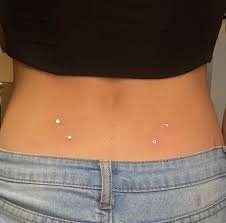
Back surface piercings are an edgy yet elegant way to express individuality. Unlike traditional piercings, surface piercings sit flat on the skin, allowing for unique placements that transform the back into a canvas of art. Whether you’re drawn to the sleek aesthetic or the bold statement, this guide dives into everything you need to know—from styles and procedure to aftercare and real-life insights.
What Is a Back Surface Piercing?
A back surface piercing involves inserting a barbell or stud just beneath the skin’s surface rather than through thicker tissue like cartilage or earlobes. The result is a minimalist, flat design that can be customized in size, shape, and location. Popular areas include the upper back, shoulder blades, and along the spine.
Unlike deeper piercings, surface piercings require careful placement to avoid migration or rejection, which happens when the body pushes out foreign objects. Proper planning and professional expertise are essential for longevity.
Popular Styles and Jewelry Options
The beauty of back surface piercings is versatility. Here’s a quick overview of popular styles:
| Style | Description | Jewelry Type |
|---|---|---|
| Horizontal Spine | Runs across the upper back, often symmetrical | Straight surface barbell |
| Shoulder Blades | Highlights the shoulders, subtle yet striking | Curved surface barbell |
| Geometric Patterns | Arranged in triangles, diamonds, or custom shapes | Surface anchors with decorative ends |
| Minimalist Studs | Tiny studs along the spine or shoulders | Titanium or surgical steel studs |
| Dainty Chains | Connect multiple piercings for an artistic effect | Lightweight chains attached to barbells |
Each style offers a different vibe—whether subtle elegance or bold statement—and the choice often depends on personal taste and lifestyle.
Procedure and Experience
Getting a back surface piercing starts with consultation. A professional piercer examines the area, marks the exact placement, and sterilizes all tools. Using a specialized surface needle, the jewelry is inserted beneath the skin. The process is relatively quick, typically taking 20–40 minutes, but can feel more intense than an ear piercing due to the skin’s tension and nerves in the back area.
From personal experience, I remember feeling a sharp pinch initially, followed by a mild throbbing sensation that subsided within a few hours. The key is to relax, trust your piercer, and avoid sudden movements during the procedure.
Healing Timeline and Aftercare
Surface piercings require patience. Healing times vary but generally fall between 6 to 12 weeks. During this period, the piercing is sensitive, and proper care is crucial:
-
Keep it clean: Use saline solution or a gentle, fragrance-free cleanser.
-
Avoid friction: Be mindful of clothing or backpacks rubbing against the piercing.
-
Minimize moisture exposure: Pools and hot tubs can harbor bacteria.
-
Monitor for issues: Redness, swelling, or unusual discharge may indicate infection.
-
Do not remove jewelry prematurely: Early removal can leave scars or cause migration.
Consistent care not only promotes faster healing but also reduces the risk of rejection or complications.
Back Surface Piercing vs. Traditional Piercings
It helps to understand how back surface piercings differ from common piercings:
| Feature | Back Surface Piercing | Traditional Piercing |
|---|---|---|
| Placement | Shallow, just under the skin | Through thicker tissue (ears, nose, lip) |
| Jewelry | Surface bars, anchors, studs | Rings, studs, hoops |
| Healing Time | 6–12 weeks | 4–8 weeks for earlobes |
| Migration Risk | Higher, needs professional care | Low if properly done |
| Visual Effect | Flat and artistic | Classic and pronounced |
The comparison highlights why professional skill is essential: surface piercings offer artistic flexibility but demand careful execution to avoid migration.
How Back Surface Piercings Fit into Daily Life
Imagine attending a summer music festival, wearing an open-back top with a subtle spine piercing. The jewelry catches sunlight, creating a conversation starter without being overpowering. Back surface piercings are versatile for both everyday life and special occasions, blending seamlessly with personal fashion while staying expressive.
Choosing the Right Piercer
Finding a certified, experienced piercer is non-negotiable. Look for professionals who:
-
Use sterile, high-quality tools and jewelry.
-
Have positive reviews and a portfolio of surface piercings.
-
Educate clients on aftercare, potential complications, and realistic expectations.
A skilled piercer ensures not only aesthetic precision but also long-term safety.
Tips for Maintaining Longevity
-
Rotate jewelry only under professional guidance.
-
Sleep on your side or use a soft pillow to prevent pressure.
-
Wear breathable, loose clothing during healing.
-
Regularly inspect the piercing for early signs of irritation.
Small, consistent actions dramatically reduce the risk of rejection and keep the piercing looking clean and stylish.
Read More: Corset Piercing: Guide, Care & Unique Appeal
Conclusion
Back surface piercings are a bold yet elegant choice for those seeking artistic self-expression. From minimalist studs to intricate geometric patterns, the options are vast, but success depends on professional placement, dedicated aftercare, and understanding the healing process. When done correctly, a back surface piercing is not just jewelry—it’s a wearable piece of art that highlights individuality while remaining practical for everyday life.
FAQs
Q1: Can back surface piercings get infected easily?
A: Like any piercing, infection is possible, especially if hygiene is neglected. Using sterile equipment and following aftercare routines minimizes the risk.
Q2: Do back surface piercings hurt?
A: The initial pinch is noticeable, and mild soreness may persist for a few days. Proper placement reduces long-term discomfort.
Q3: How long does it take to fully heal?
A: Typically 6–12 weeks, depending on individual healing and care.
Q4: Can I wear regular clothes with my back surface piercing?
A: Yes, but loose or open-back clothing is ideal during healing to avoid friction and pressure.
Q5: Can a surface piercing migrate or reject?
A: Migration is possible if placement or aftercare is improper. Choosing an experienced piercer significantly reduces this risk.