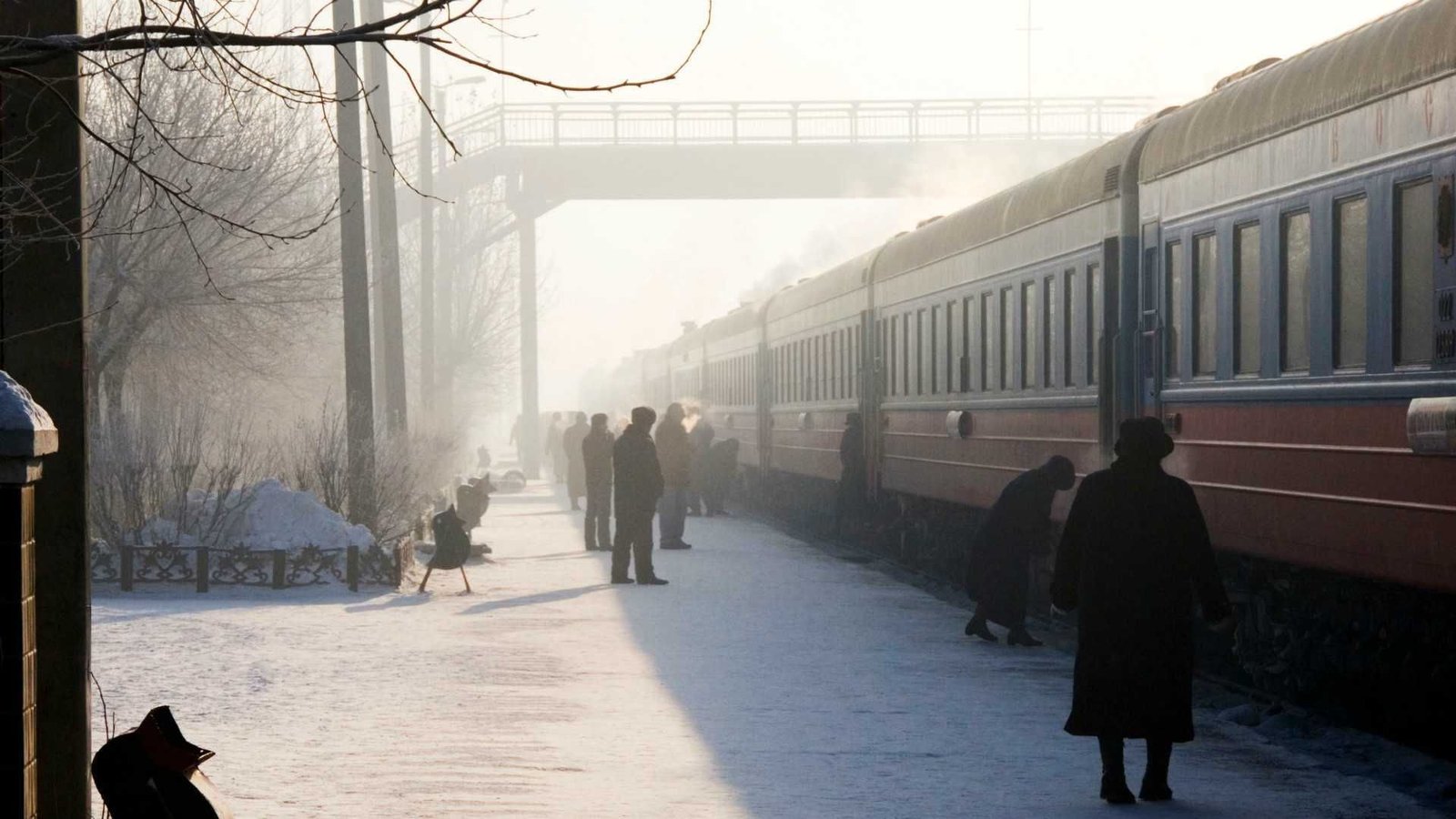
The Trans‑Siberian Railway is one of the most legendary and awe‑inspiring travel routes in the world. Stretching across seven time zones and roughly 9,300 km from Moscow to Vladivostok, it is the longest single continuous railway line on Earth. Conceived in the late 19th century under Tsar Alexander III’s vision, this monumental railway transformed Russia by linking the vast European west to the remote Far East.
Today, it connects bustling cities like Yekaterinburg, Novosibirsk, and Irkutsk, as well as natural marvels such as Lake Baikal, offering travelers a unique blend of history, nature, and everyday Russian life. Whether you’re planning the full epic journey or a shorter exploration with stops, this guide will help you understand the routes, history, practical tips, and what to expect onboard. By the end, you’ll be prepared for one of the most unforgettable long-distance rail experiences on the planet.
1. What Is the Trans‑Siberian Railway?
The Trans‑Siberian Railway is a network of rail routes spanning the breadth of Russia. Its main line runs from Moscow to Vladivostok, covering almost 9,300 km. The journey typically takes about seven days nonstop. It was originally built to unify Russia’s vast lands, encourage settlement in Siberia, boost trade, and shorten travel time between Europe and Asia. Today, the line is fully electrified in many sections and serves both freight and passengers, making it a vital part of Russia’s transport system.
2. A Brief History of the Railway
Construction of the Trans‑Siberian Railway began in 1891 and was completed by 1916, connecting Russia’s European cities with the Far East. Tens of thousands of workers overcame extreme climates, dense forests, and rough terrain to make the vision a reality.
The railway dramatically changed Siberia, enabling trade, settlement, and resource development. Over the decades, it has played key roles in history, including military transport, migration, and commerce, and remains a symbol of engineering achievement and human endurance.
3. Main Routes and Variants
Trans‑Siberian Mainline (Moscow to Vladivostok)
The classic route extends from Moscow through:
-
Yekaterinburg — gateway to Siberia
-
Novosibirsk — Siberia’s largest city
-
Irkutsk — near Lake Baikal
-
Chita — cultural crossroads
-
Vladivostok — eastern terminus
Travelers can ride the full route or disembark at major cities to explore local culture, history, and nature.
Branch Lines: Trans‑Mongolian and Trans‑Manchurian
-
Trans‑Mongolian: splits south at Ulan‑Ude, passes through Ulaanbaatar, and continues to Beijing.
-
Trans‑Manchurian: goes through Manchuria to Beijing without crossing Mongolia.
These branches allow travelers to combine Russian adventure with destinations in China and Mongolia.
4. What to Expect on the Journey
Scenery and Culture
Travelers encounter diverse landscapes:
-
The Ural Mountains and Siberian taiga forests
-
Golden steppe regions
-
Lake Baikal, the world’s deepest freshwater lake
Cities along the route offer rich cultural experiences:
-
Yekaterinburg — museums, churches, and historical sites
-
Irkutsk — historic architecture and cultural events
-
Novosibirsk — urban vibrancy and modern amenities
Train Types and Classes
Long-distance trains offer multiple service classes:
-
1st Class (Spalny Vagon): private cabins with 2 berths
-
2nd Class (Kupe): 4 berths per compartment
-
3rd Class (Platskartny): open-berth economy style
Meals may be included, and restaurant cars provide additional dining options.
Onboard Comfort and Essentials
Expect modest amenities, communal washrooms, and basic sleeping berths. Essentials to bring:
-
Snacks and drinks
-
Toiletries and medications
-
Chargers and adapters
-
Books, music, or movies for entertainment
Each carriage usually has a hot water samovar for tea and instant meals.
5. Practical Travel Tips
Booking and Tickets
Tickets are tied to specific dates and legs. For stops in cities along the way, separate tickets may be needed for each segment. Advance booking is recommended, especially in summer or holiday seasons.
Packing Tips
Pack for comfort on long days:
-
Water and snacks
-
Toilet paper and wet wipes
-
Warm clothing for cooler nights
-
Chargers, batteries, and entertainment
Bring personal medicines, as pharmacies are limited at remote stations.
Travel Seasons
-
Summer: warm weather, long daylight, and scenic beauty
-
Winter: snow-covered landscapes, fewer services, and extreme cold
Choose season according to your comfort level and interest in landscapes.
Safety and Security
Crime is rare on the trains, but it is advisable to lock compartments and keep valuables secured.
6. Highlights Along the Way
Lake Baikal
A major highlight of the journey, Lake Baikal is perfect for sightseeing, photography, and hiking. Travelers often spend extra days to explore the lake and nearby villages.
Cultural Cities
-
Yekaterinburg — historical museums and churches
-
Novosibirsk — urban culture, theaters, and cafes
-
Irkutsk — old town architecture, markets, and cultural tours
Stops along the route allow a balance of natural beauty and city exploration.
Read More: Backpacker Travel Insurance: Ultimate Guide for Smart
Conclusion
The Trans‑Siberian Railway is more than a train journey; it is an epic adventure through the heart of Russia’s landscapes, history, and culture. Spanning nearly 10,000 km and eight time zones, it connects Moscow to Vladivostok while offering stops at historic cities, natural wonders, and remote villages.
Whether traveling nonstop for seven days or pausing to explore cities and scenic areas, the railway provides a unique opportunity to experience Russian life firsthand. Planning, careful packing, and understanding what to expect onboard will make the journey comfortable and memorable. From the rolling plains of Siberia to the sparkling waters of Lake Baikal, the Trans‑Siberian Railway is a testament to human ingenuity and the spirit of exploration — a once-in-a-lifetime adventure that blends history, culture, and nature into one unforgettable experience.
FAQs
1. How long does the Trans‑Siberian Railway journey take?
The full Moscow to Vladivostok journey takes about seven days nonstop on a direct train.
2. Can I stop at cities along the Trans‑Siberian Railway?
Yes, but you usually need separate tickets for each segment to explore cities along the route.
3. What are the main routes of the Trans‑Siberian Railway?
The main route runs from Moscow to Vladivostok. Branch lines include the Trans‑Mongolian and Trans‑Manchurian routes to Beijing.
4. What should I pack for the journey?
Bring essentials such as water, snacks, toiletries, medicines, warm clothing, chargers, and entertainment.
5. Is the Trans‑Siberian Railway safe for travelers?
Yes. Serious crime is rare, but standard travel precautions like locking compartments and securing valuables are recommended.